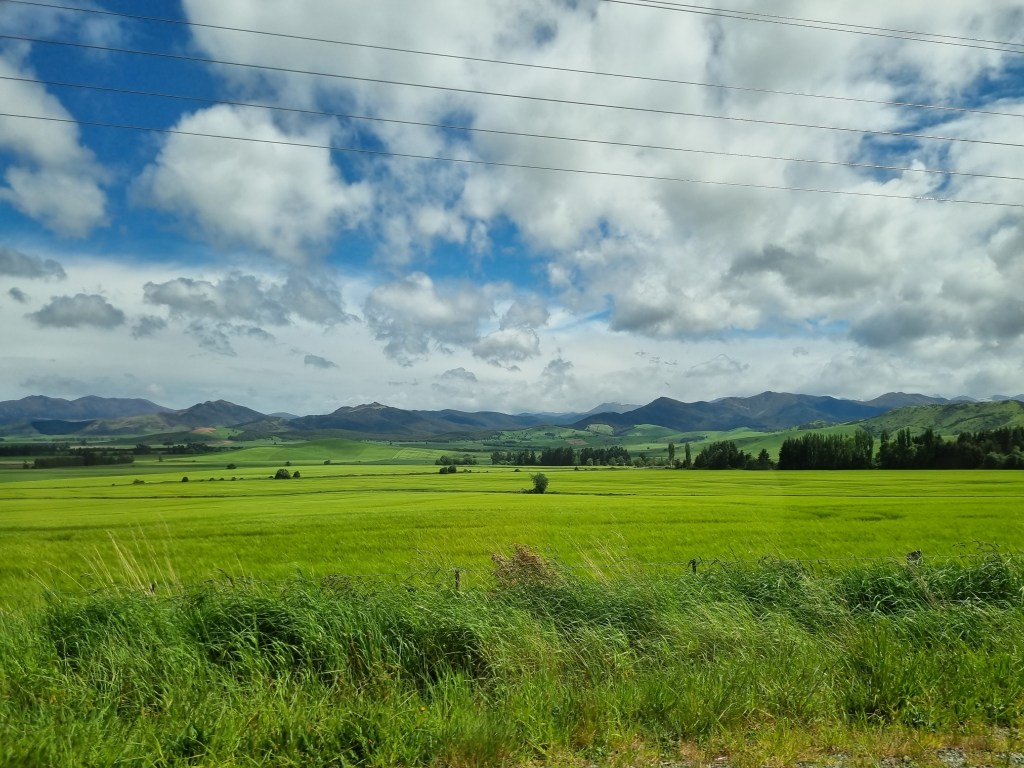
Leaving Invercargill behind, we turned north toward Queenstown, a drive of roughly two and a half hours. This drive saw more transitions in the landscape with farmland slowing giving way to rugged peaks and spectacular scenery.
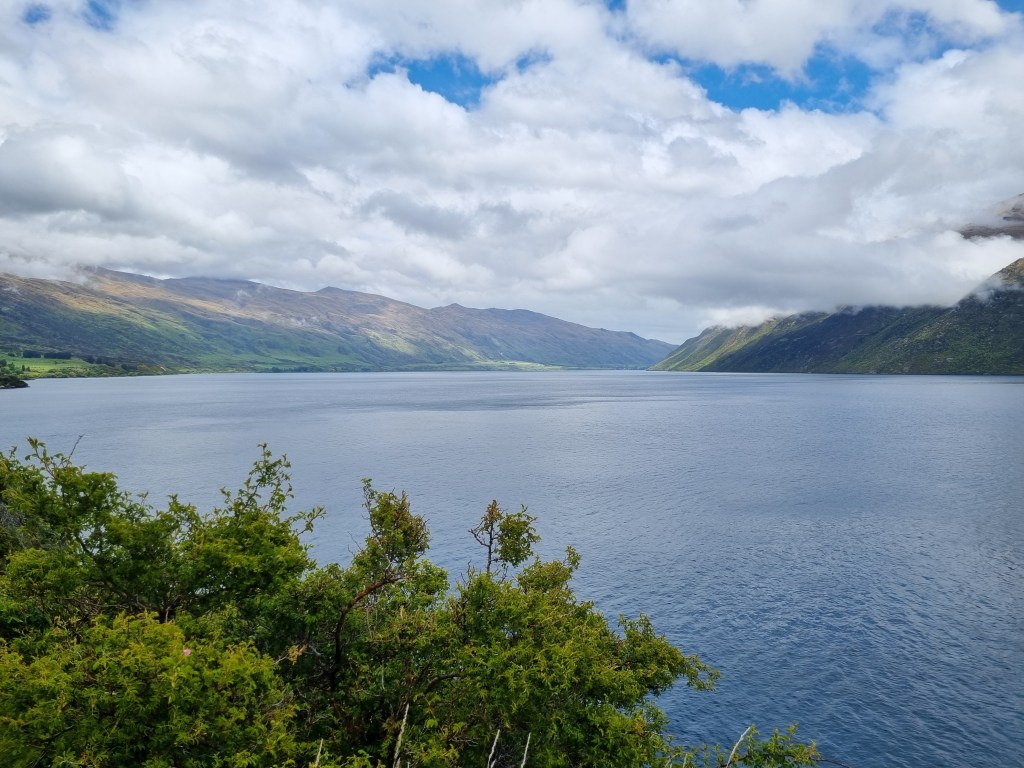
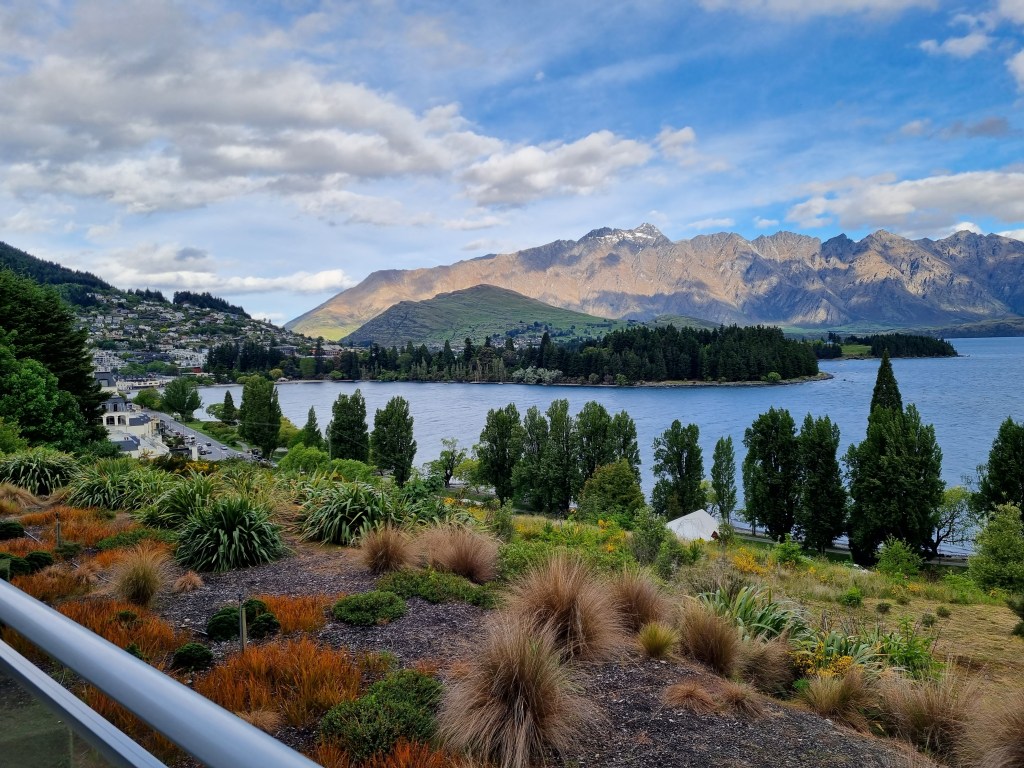
Queenstown sits on the shores of Lake Wakatipu, surrounded mostly by The Remarkables mountain range. This name alone sums up the scenery. The jagged peaks of The Remarkables rise dramatically on the eastern side of the lake and are the most recognisable backdrop to the town. To the northwest, you’ll also see the Richardson Mountains but it’s The Remarkables that really define Queenstown’s skyline.
Queenstown began as a gold rush settlement in the 1860s, when prospectors flocked to the region chasing the dream. The setting was and still is grand – cradled by mountains on the edge of the lake – and the town has slowly evolved from a mining outpost into an adventurous hotspot and now known as New Zealand’s adventure capital – bungy jumping, jet boating, skiing, hiking and every adrenaline pursuit in between. It’s busy all year-round.
Our visit was not for the thrills, but for the history, the scenery and, of course, the food,
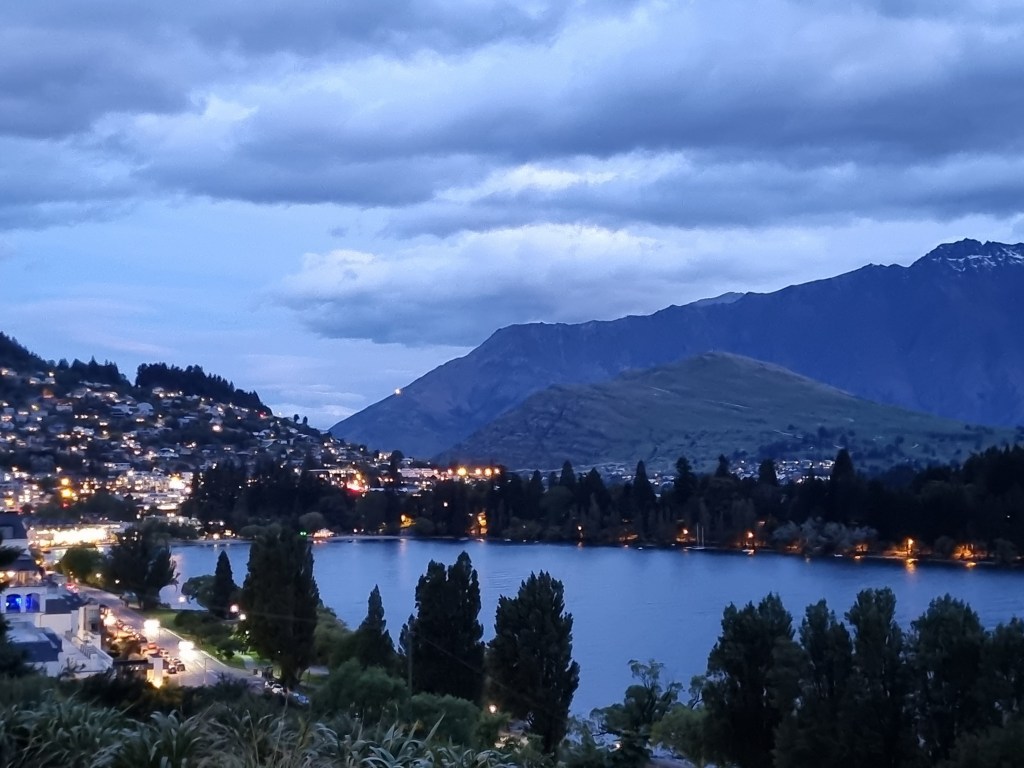
We chose to stay in a serviced apartment at Highview Apartments, a short walk from the town centre – easy on the downhill journey, a little more challenging on the way back up. For this stop we wanted to settle in a little more, self-catering for breakfasts and the occasional lunch or dinner and eating out when we were tempted, so having a kitchen was important. The view from the apartment was glorious, looking down the lake toward town and across to the surrounding mountains. It was the perfect vantage point – a peaceful retreat above the buzz of Queenstown,
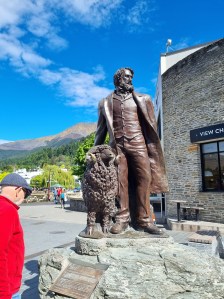
In the centre of Queenstown is the statue of William Gilbert Rees, the pioneer widely regarded as the founder of Queenstown. He arrived in the region in 1860 and established a sheep station on the shores of Lake Wakatipu, recognising the potential of the fertile land and natural harbour long before the gold rush. The statue reminds visitors that before Queenstown became an international tourism and adventure hub, it began as a remote high-country sheep farming settlement.
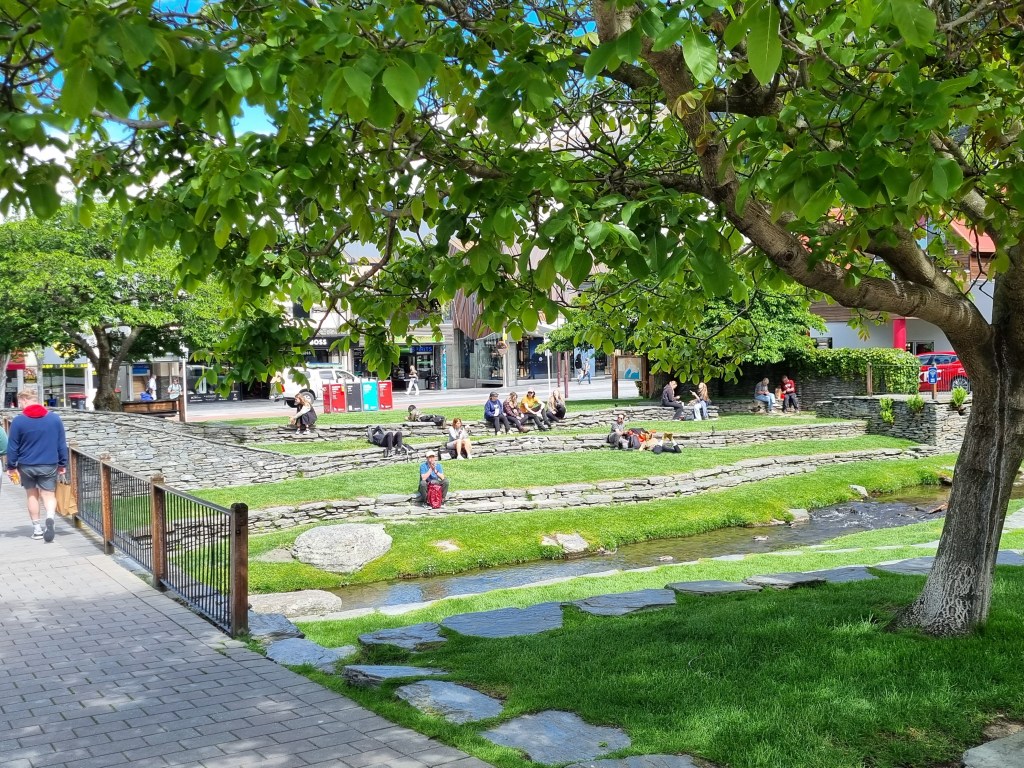
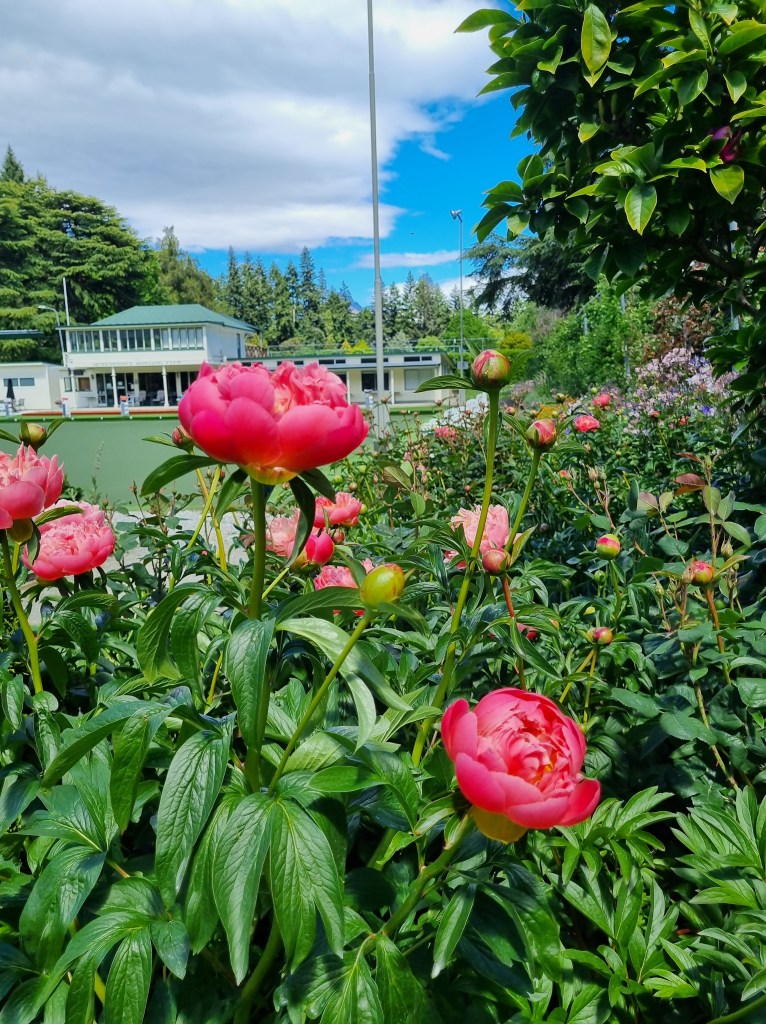
There’s a small creek running through the middle of town – Horne Creek. The area around it was originally part of the natural shoreline and wetlands, but in the late 1800s it was landscaped into formal public gardens as the town grew during the gold rush era. In a town known for high-energy adventure tourism, it’s also one of the few places right in the centre where people simply slow down, relax, and sit in the sun.
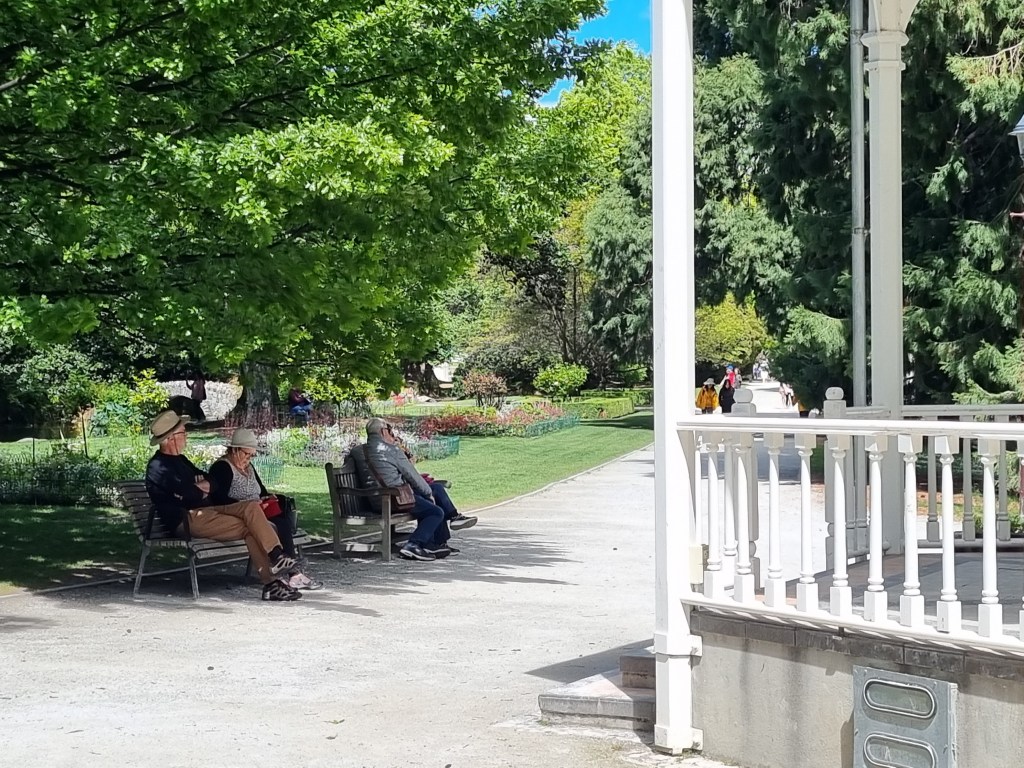
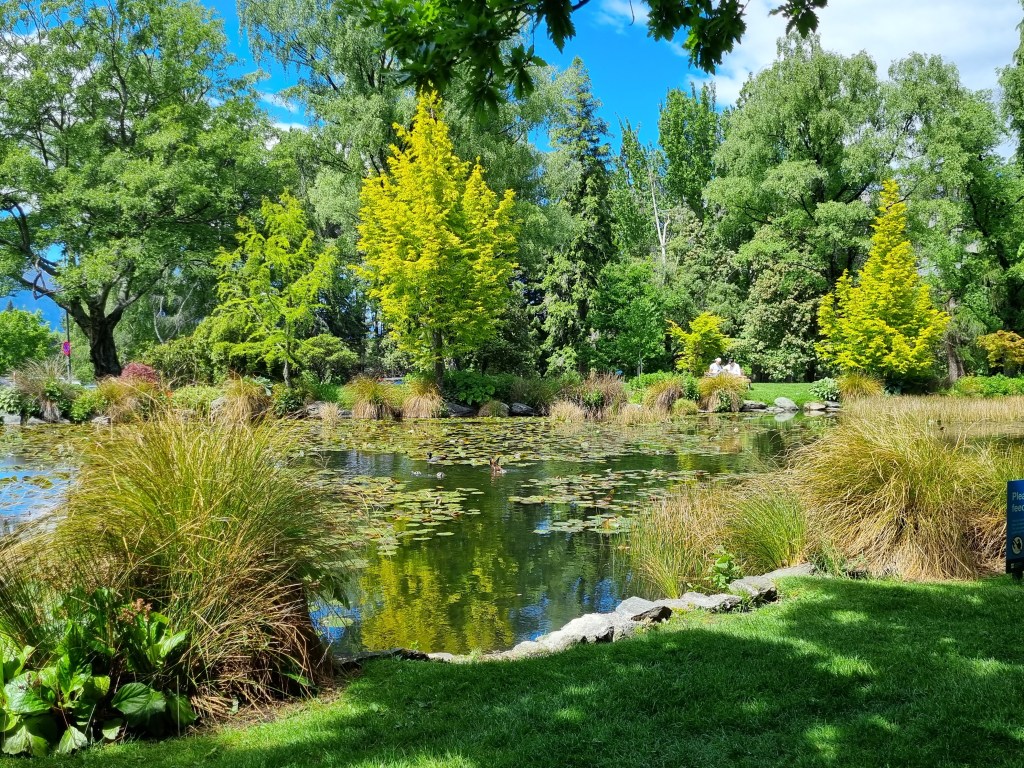
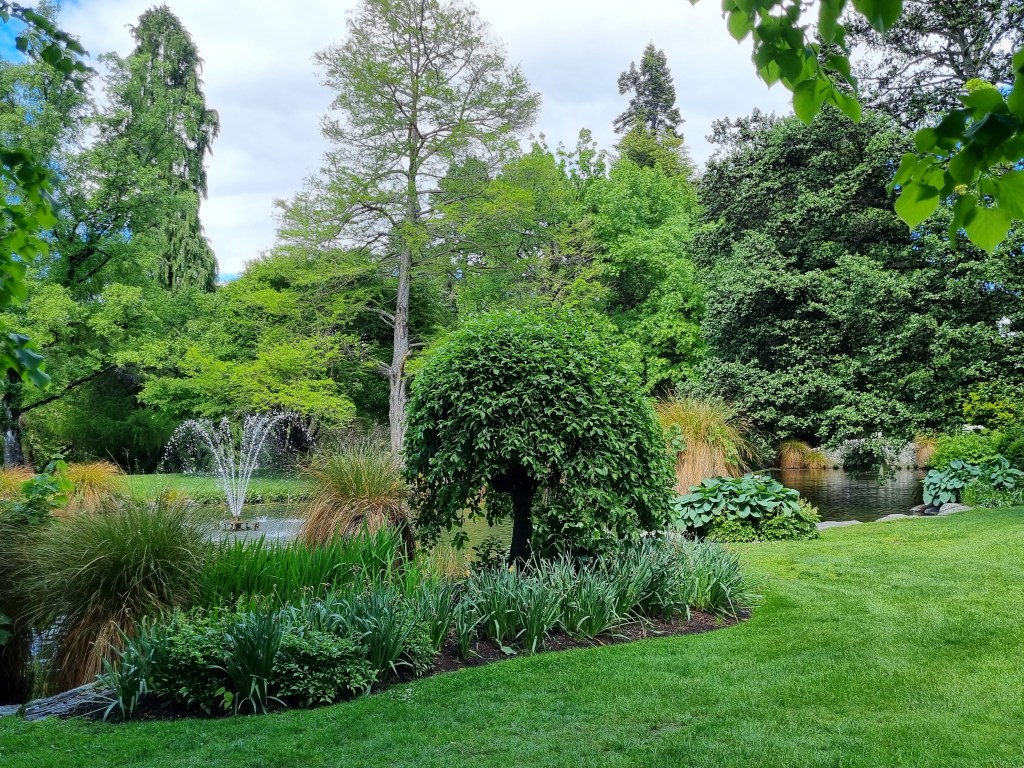
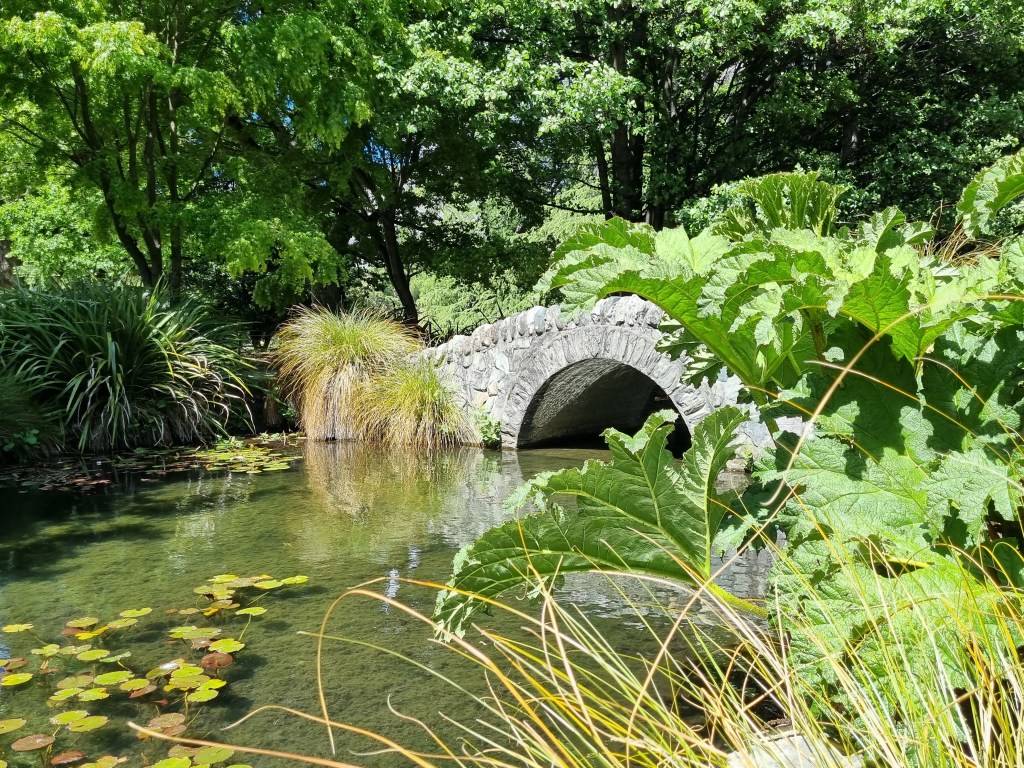
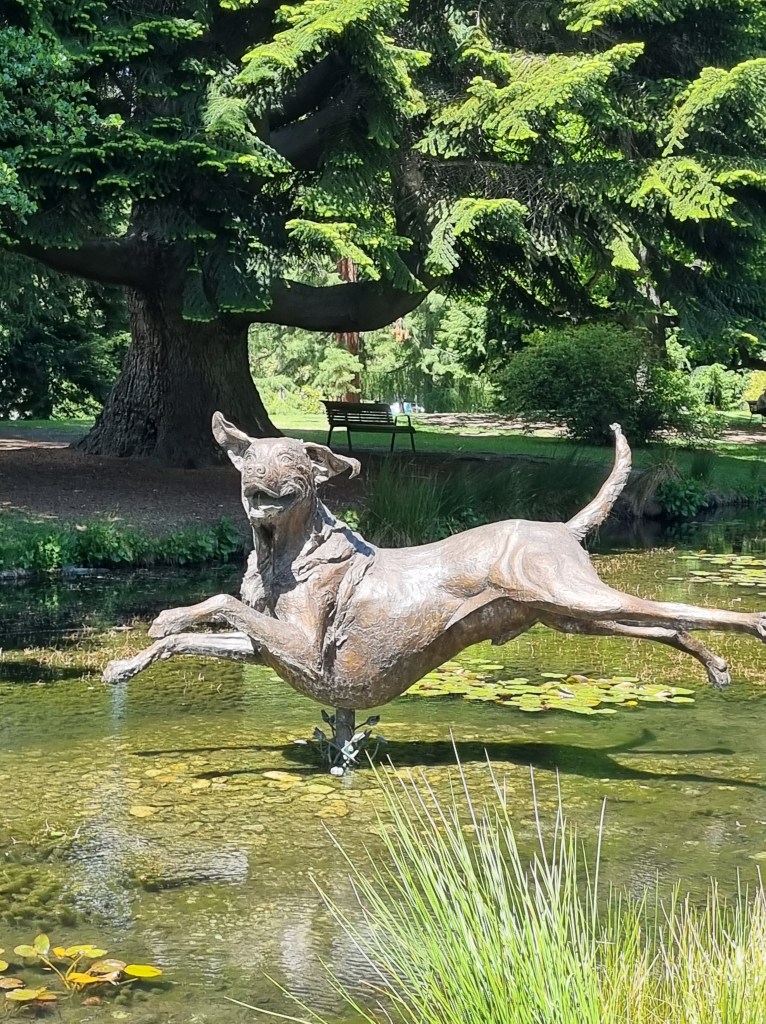
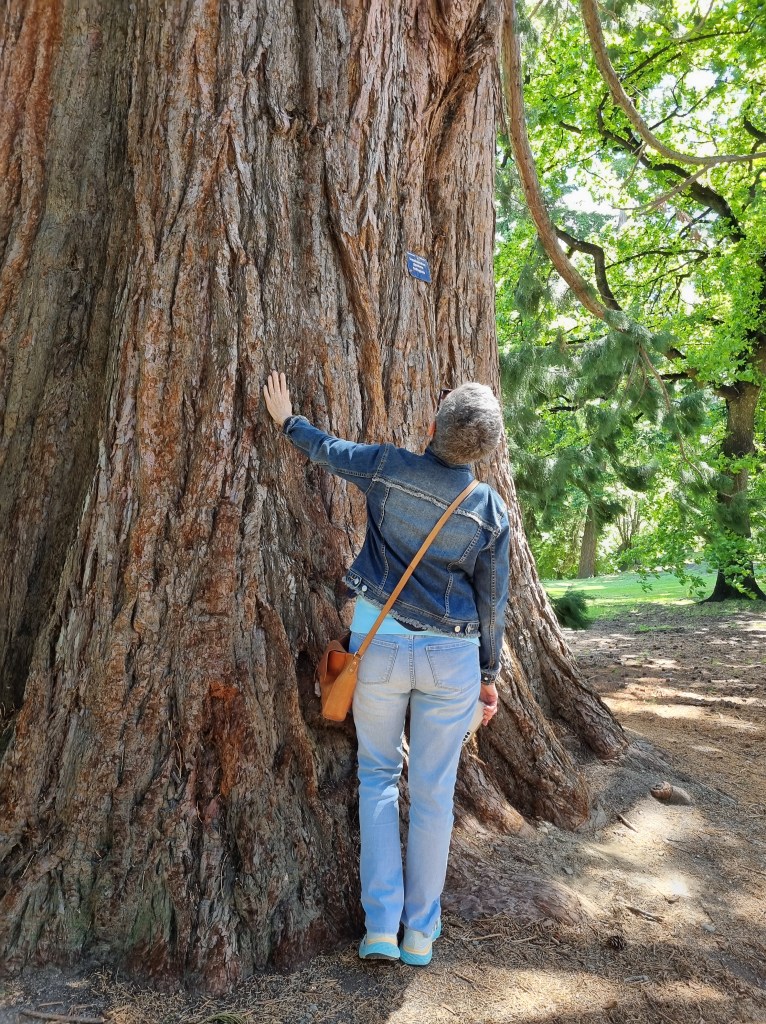
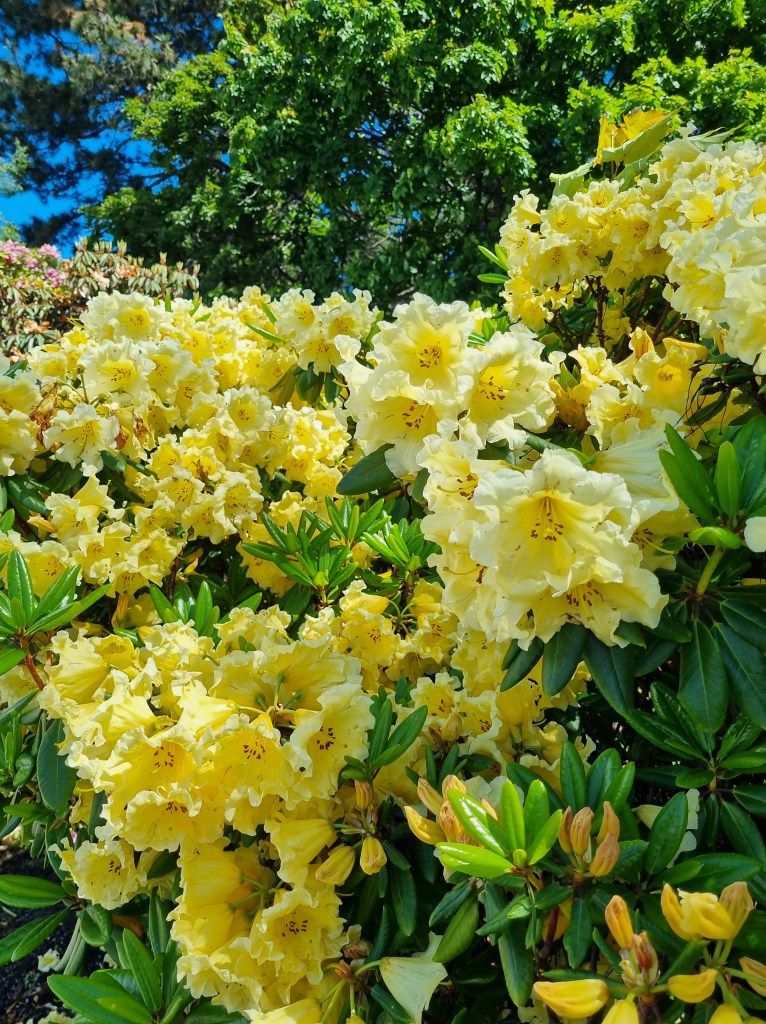
Queenstown Gardens sits on a small peninsula that juts into Lake Wakatipu, a short walk from the centre of town. The headland gardens were carefully designed in the late 19th and early 20th centuries, with winding paths, ornamental plantings, mature trees, and recreational spaces. It’s a lovely walk, peaceful and beautifully landscaped.
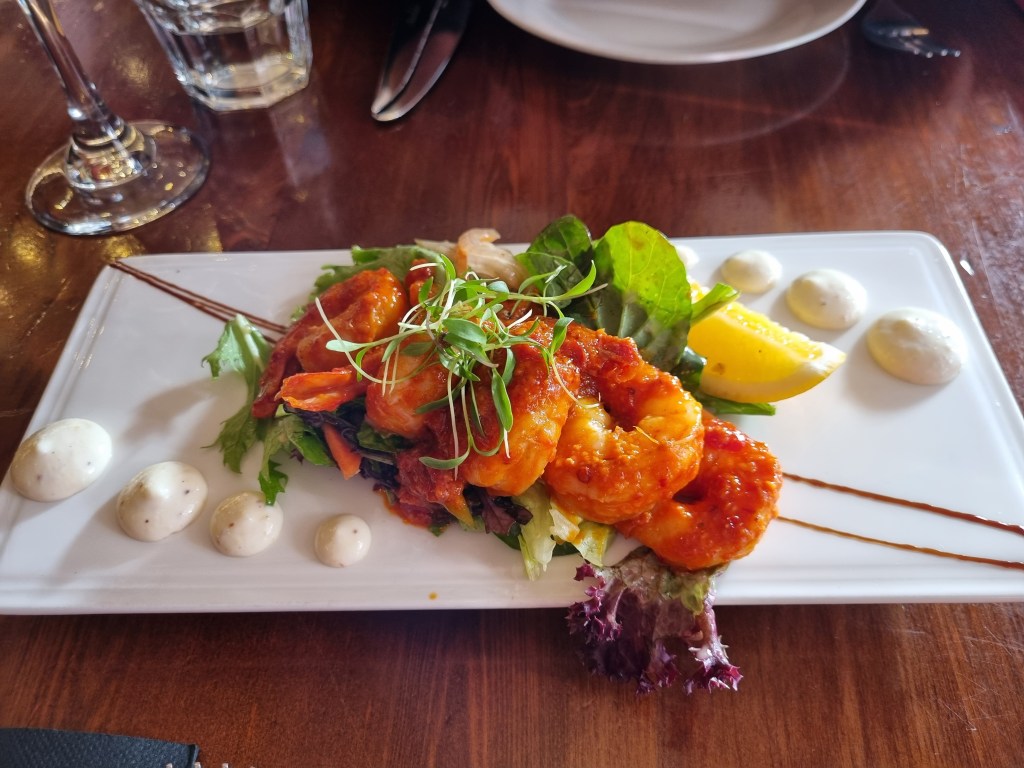
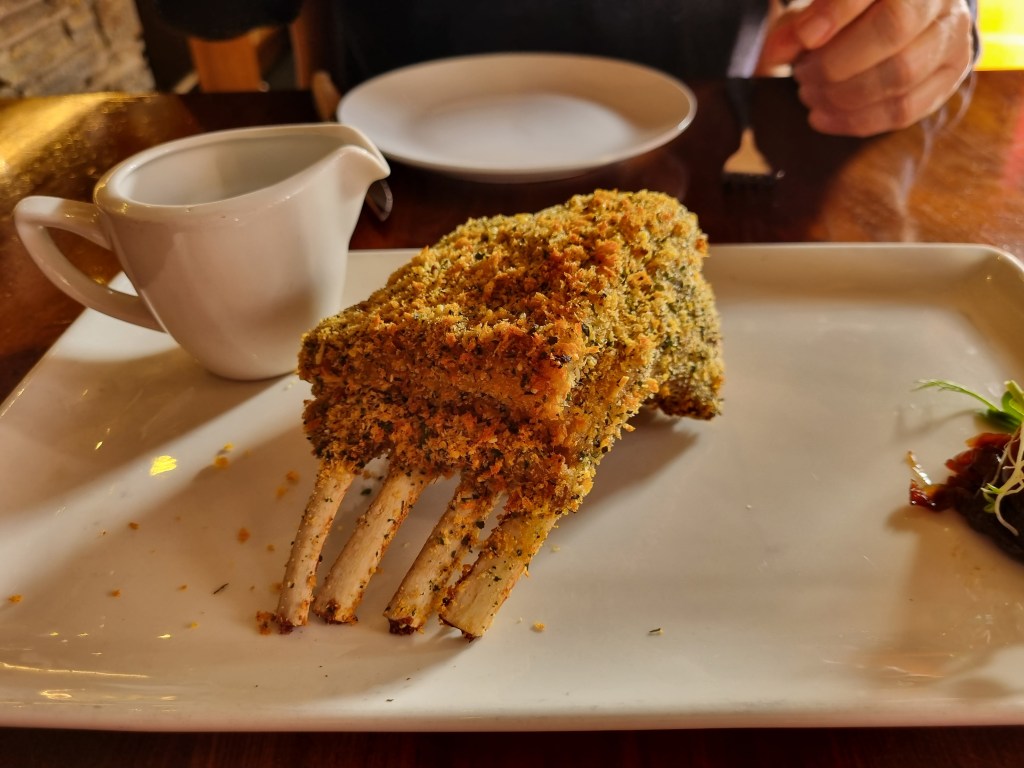
Being sheep country, Jeff couldn’t resist ordering lamb at Captains Restaurant in the Ballarat Street Mall, enticed by their promise of the “best lamb cutlets.” Surprise – it was served all on its own! A few veggies would have been nice. At least the prawn skewer to start set the meal off on a high note.
Arrowtown
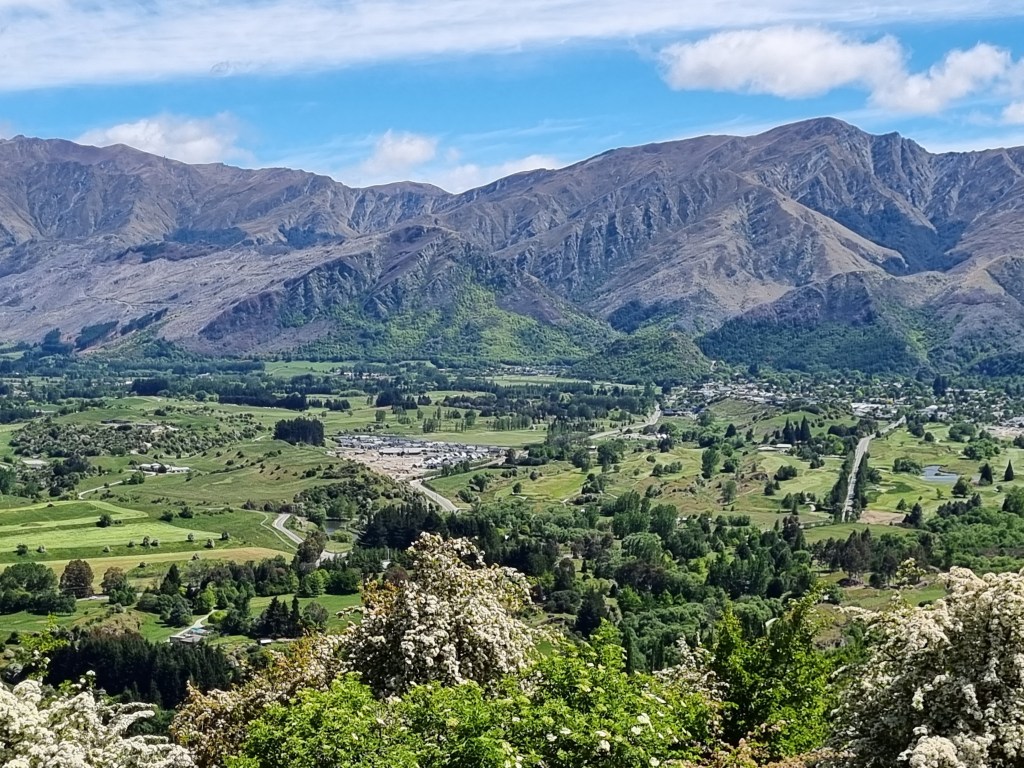
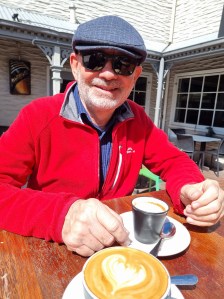
We drove from Queenstown to Arrowtown for coffee. This 1860s gold rush town still holds the charm of that era. There’s plenty of boutique artisan shops, and cafés tucked among the preserved buildings – perfect for a leisurely outing.
Lake Wanaka
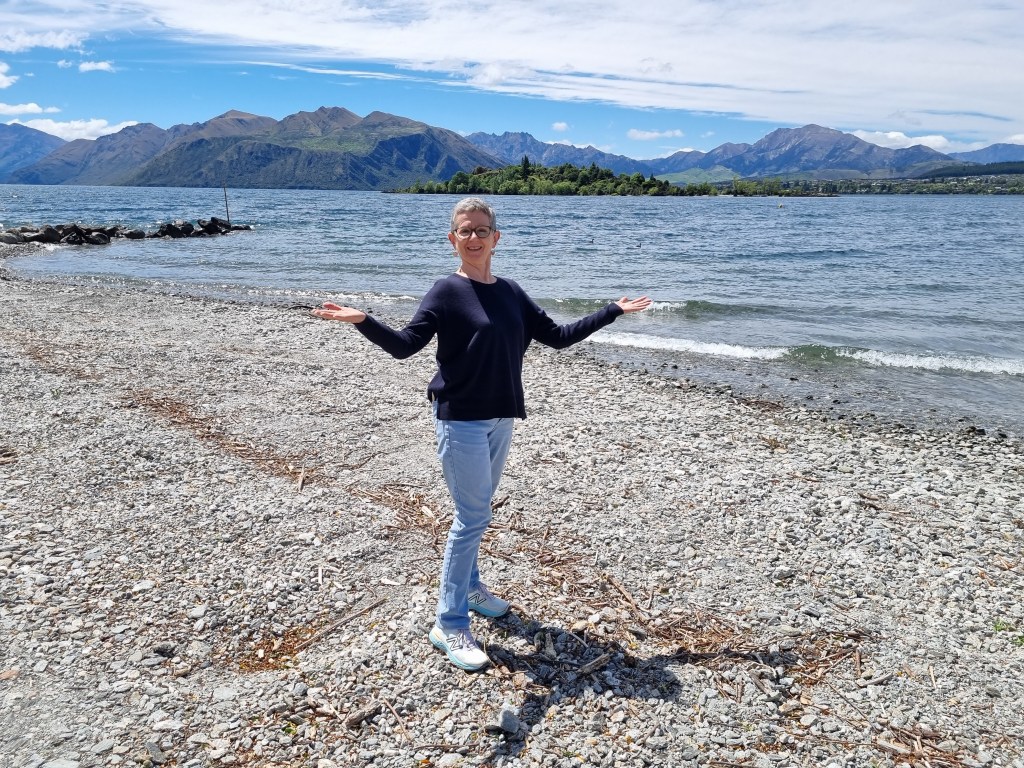
One day we drove from Queenstown over the Crown Range to Lake Wanaka, stopping in the lakeside town of Wanaka for lunch. Framed by mountains and clear alpine water, Wanaka is a popular tourist destination, busy in summer with boating, hiking and cycling, and in winter with skiers heading to the nearby fields.
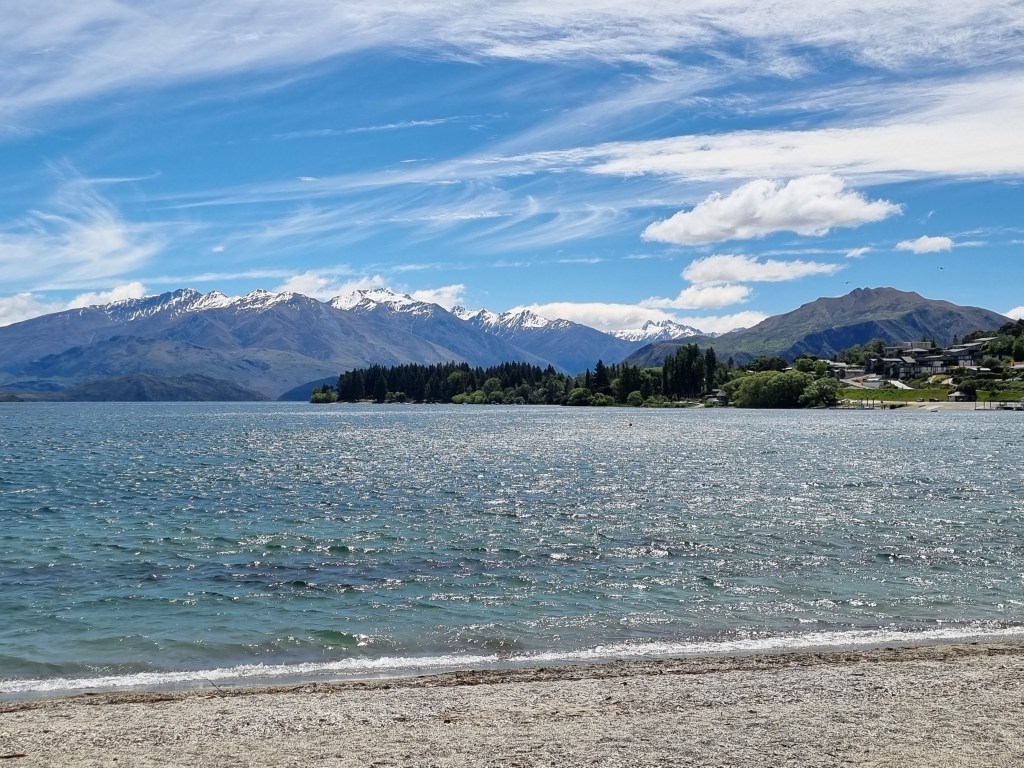
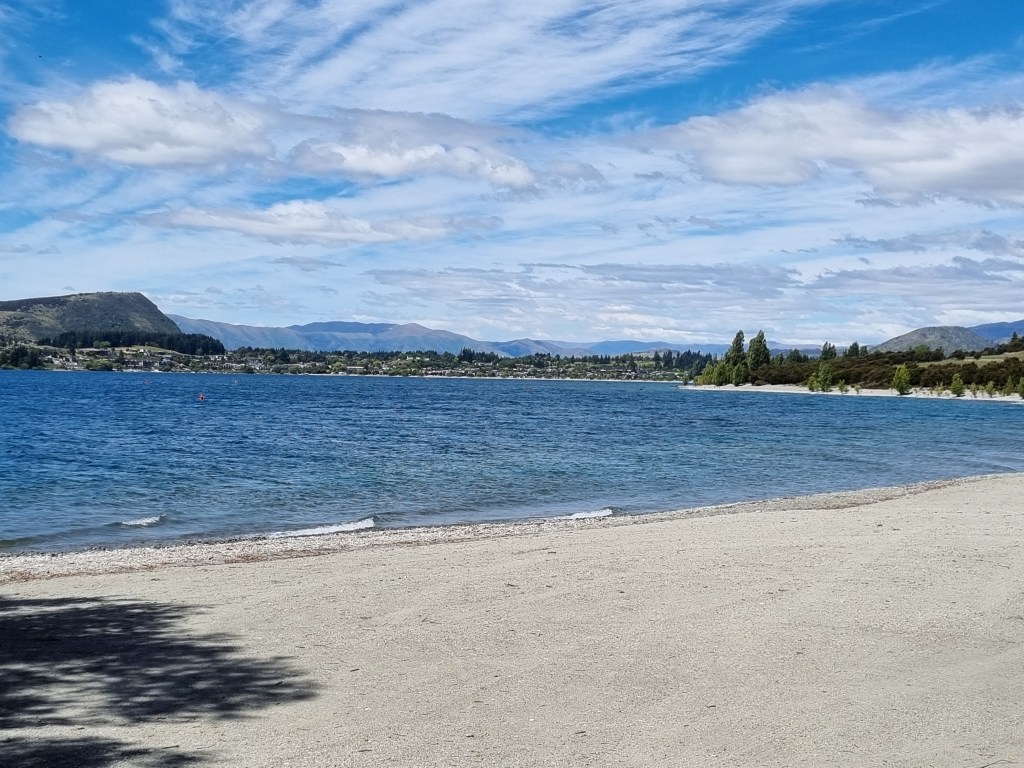
One of our children slipped away to New Zealand a few years ago to elope. We found the spot where photos had been taken at Lake Wanaka. An emotional moment.
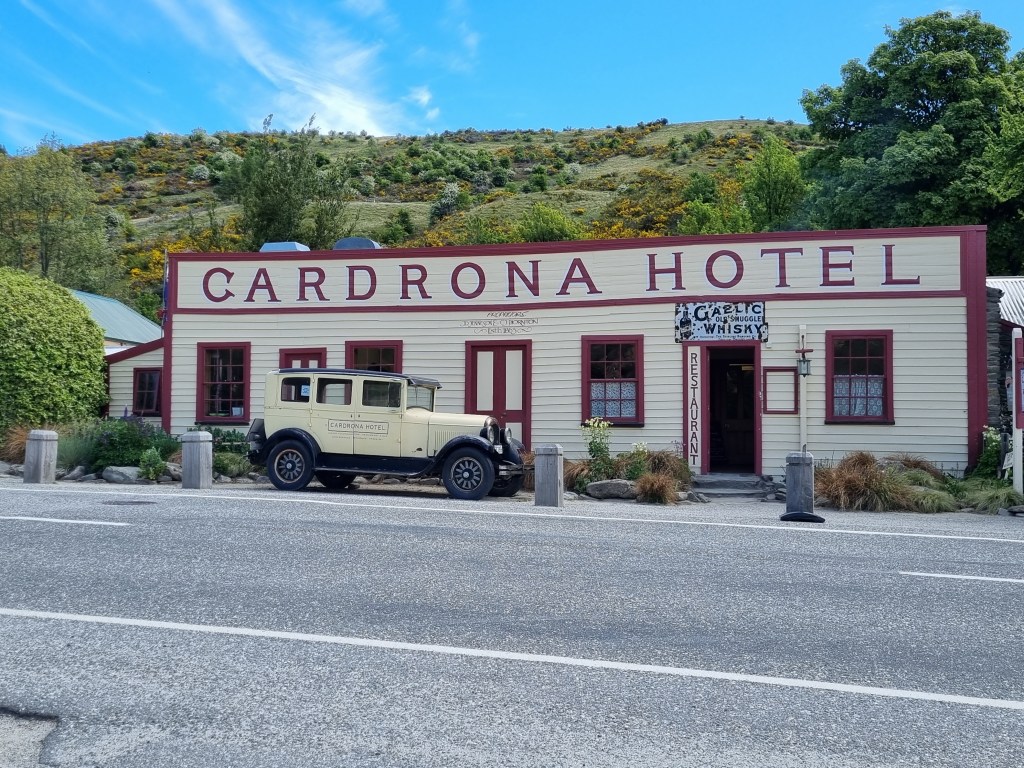
On the drive between Queenstown and Wanaka we stopped at the iconic Cardrona Hotel for a quick refreshment. Built in 1863 during the Otago gold rush, the pub was once a busy venue for miners travelling through the Cardrona Valley. The town itself has largely disappeared, but the hotel remains and is now one of New Zealand’s most photographed pubs. There’s a large and sunny beer garden at the back giving you great views of the mountains. A highly recommended stop.
Back to Queenstown
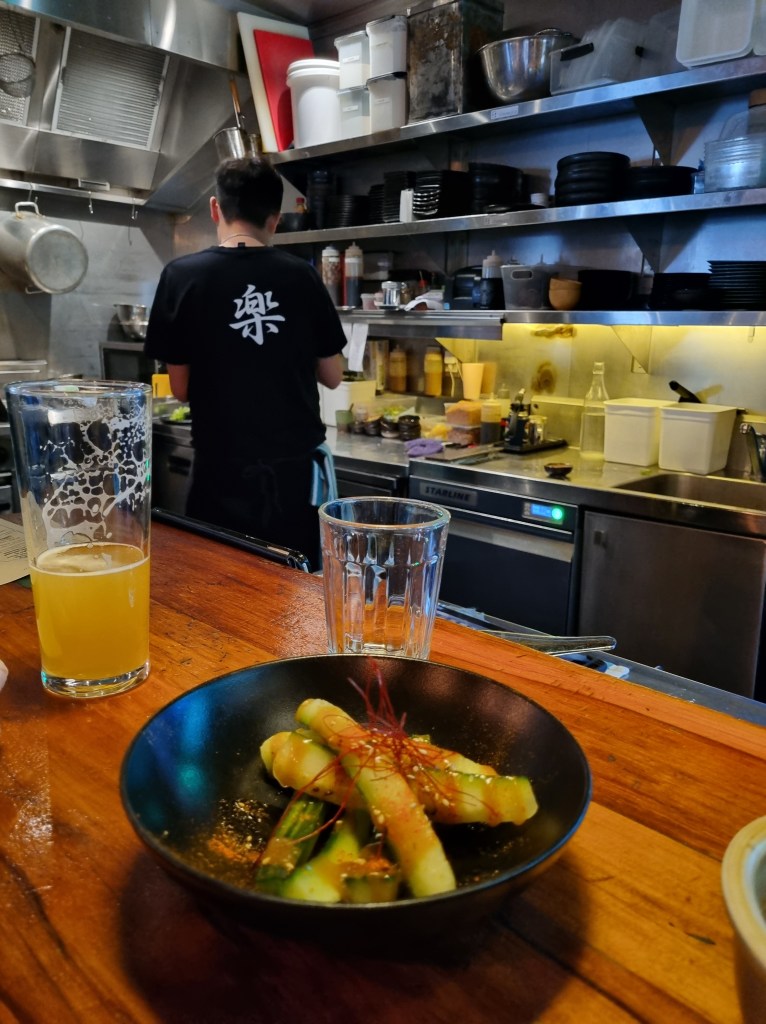
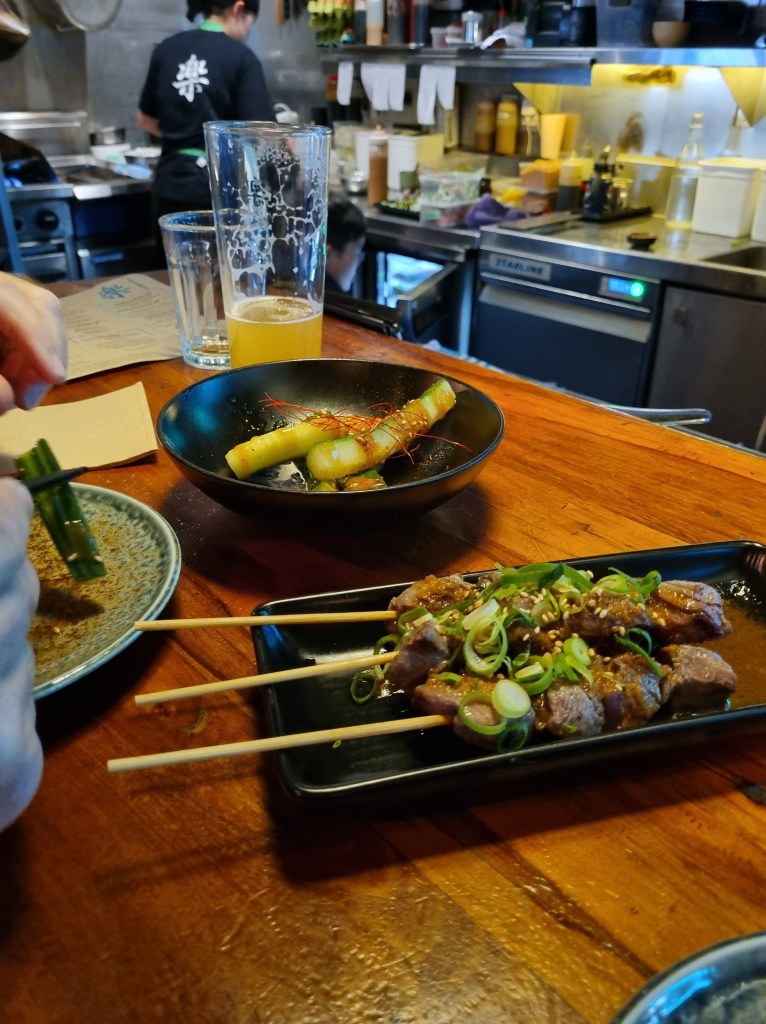
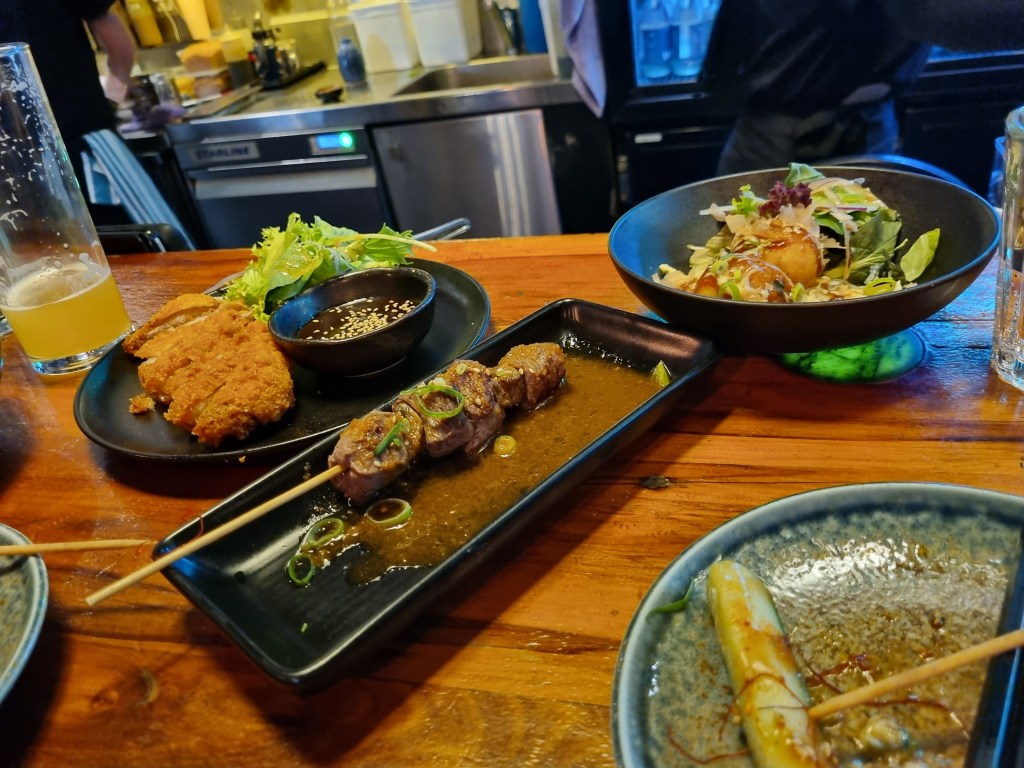
One evening we headed to Tanoshi Japanese Restaurant, settling into our favourite spot at the high bar where we could watch the chefs at work. There’s something quietly captivating about seeing each dish prepared with such care, and the shared plates that followed were fresh, beautifully balanced, and absolutely delicious.
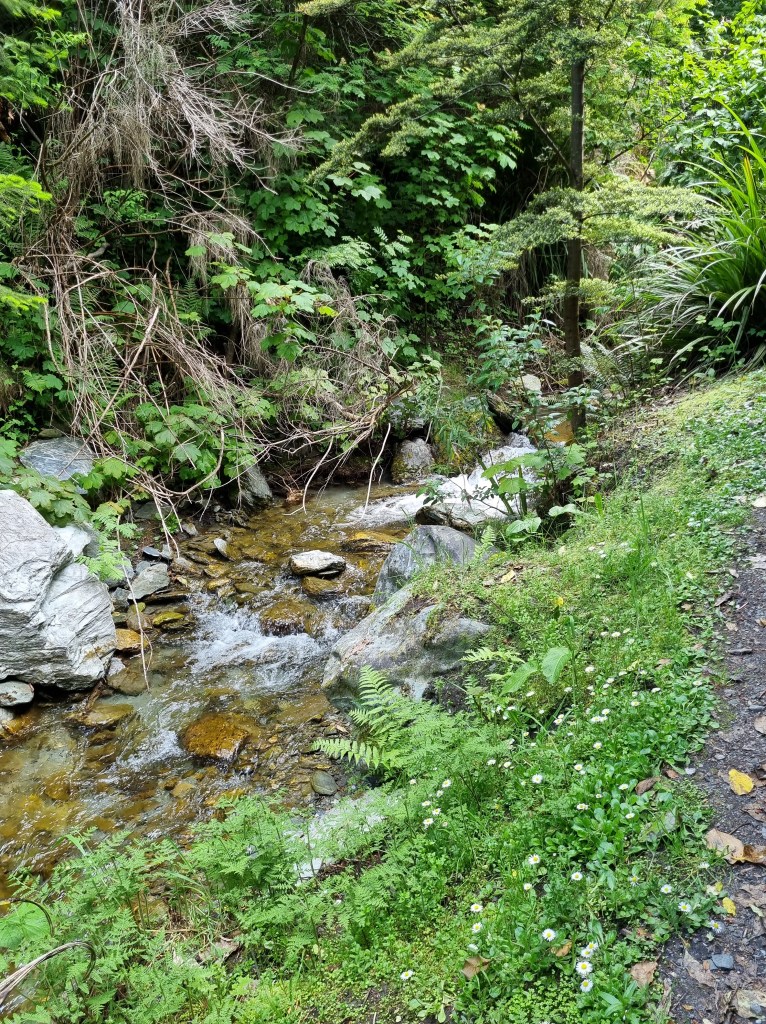
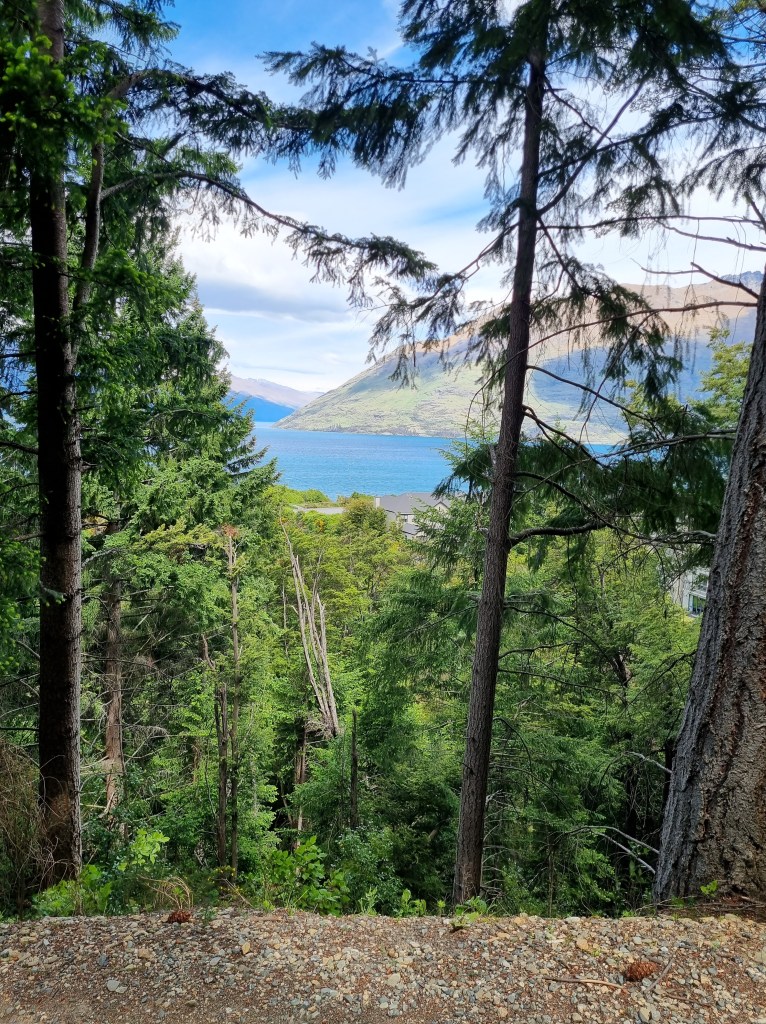
Around Highview Apartments, there are several easy walking paths that wind along the hillside, up towards the peak and down toward the lake, perfect for stretching the legs and soaking up the scenery without needing to sign up for Queenstown’s more adrenaline-fuelled pursuits. With views across Lake Wakatipu and the surrounding mountains, the tracks offered us a gentle way to spend time outdoors in the fresh air and big landscapes of this area – no bungee jumping required.
And that’s a wrap for Queenstown. After days of lakes, mountains, good food and scenic drives, it was time to move on. Our final destination on this New Zealand adventure is Wellington, traveling this time not by car but by catching a direct flight north. A new city, a new energy, and one last chapter to this memorable trip.
Catherine & Jeff
 Food and Adventures Along the Way