Cradle Mountain-Lake St Clair National Park
Cradle Mountain – the National Park I’ve always wanted to visit. Jeff visited before, bravely doing the six day Overland Track around 10 years ago. This tine, it’s a short visit, more relaxing. Different.
After the raw edges of the west coast, we travelled by car from Strahan, heading inland and east to the National Park. The landscape shifting again to alpine air, glacial peaks in the distance, expanses of grass plains mixed with forests that feel ancient and untouched.
We arrived at the northern end of the Cradle Mountain–Lake St Clair National Park, part of the Tasmanian Wilderness World Heritage Area. Long before it became one of Tasmania’s most visited destinations, this was Country for the Palawa people. European interest followed in the late 1800s, with trappers, miners and later conservationists shaping its story. Gustav Weindorfer, one of the area’s early champions, famously declared it should be “a national park for the people for all time.” Experiencing the walks here, you can understand why.
We had booked at cabin at Peppers Cradle Mountain Lodge, tucked just outside the national park entrance. With well appointed, warm and comfortable cabins, crackling fires in the large recreational building, wallabies grazing at dusk, it feels natural, without being remote. The lodge sits among tall eucalypts and myrtle beech, with walking tracks literally at your doorstep.
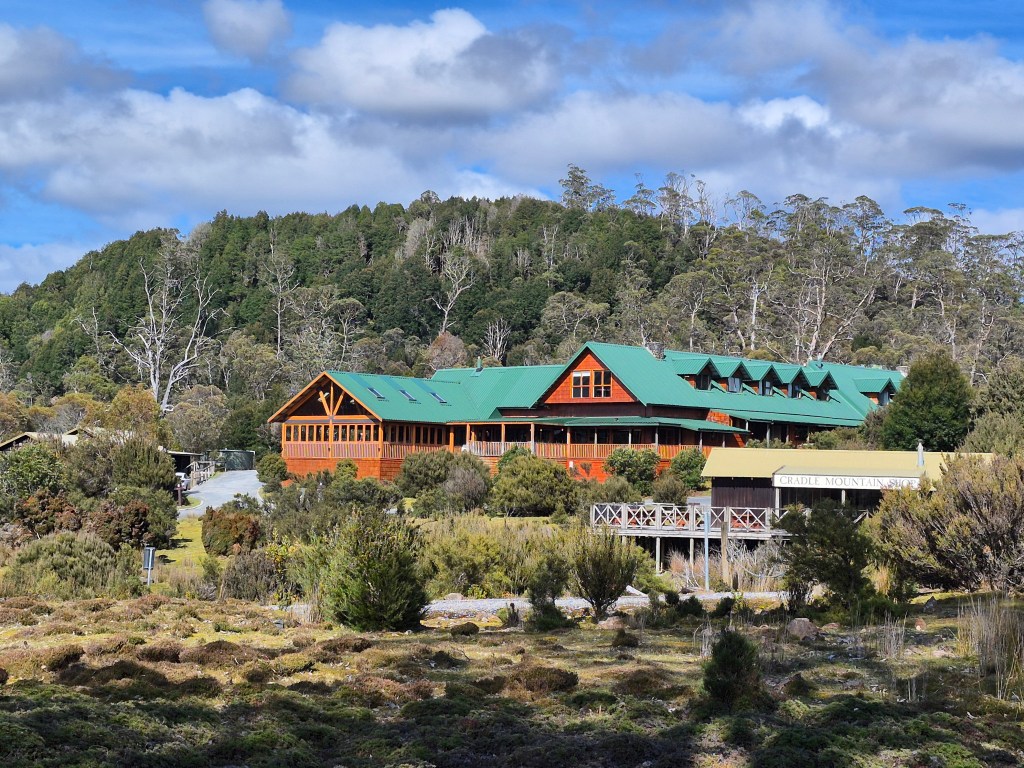
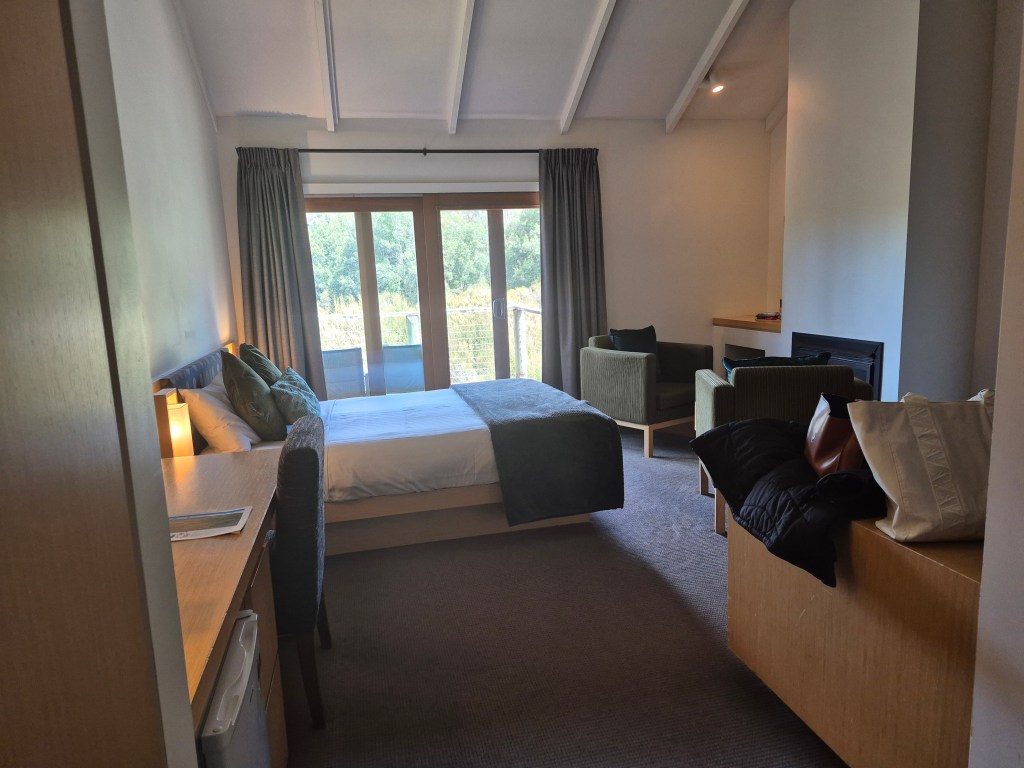
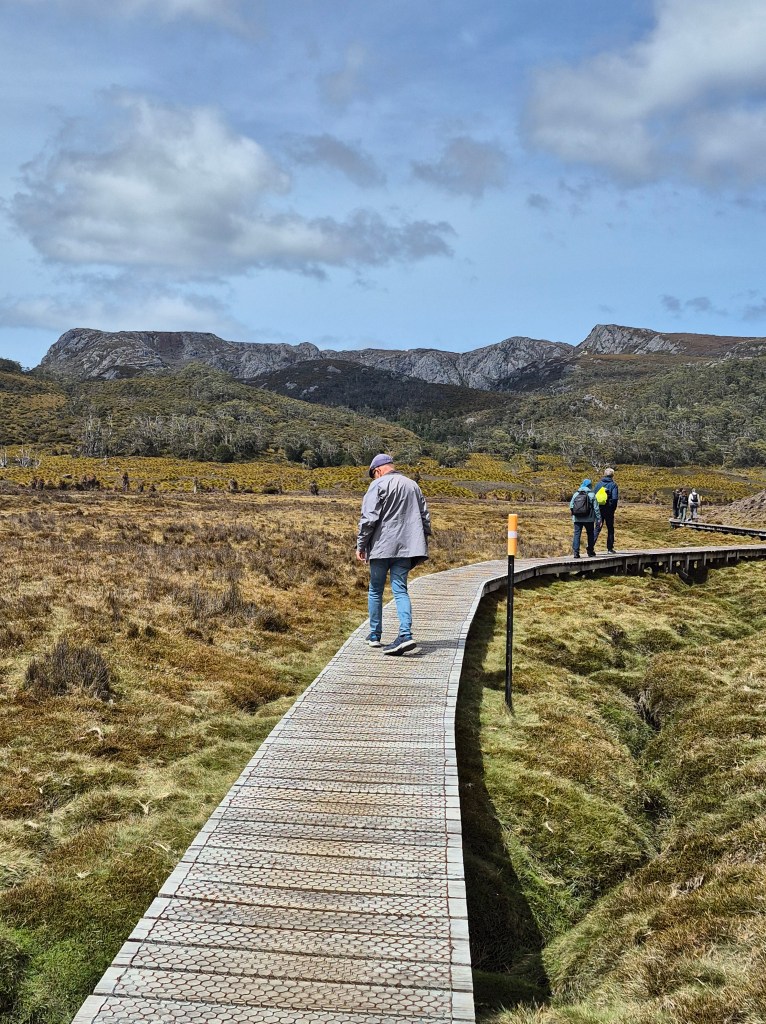
Cradle Mountain is walker heaven. There are around 60 different tracks ranging from gentle boardwalk strolls to serious alpine climbs. You don’t have to be an elite hiker to experience it, but you do need to respect the terrain and the ever-changing weather. You need to be prepared for anything.
We were not traveling with our serious hiking gear, and chose a couple of small walks on our first day close to the lodge as a warm up, while keeping our eye on the weather for Day 2 where we wanted to adventure out a little further.
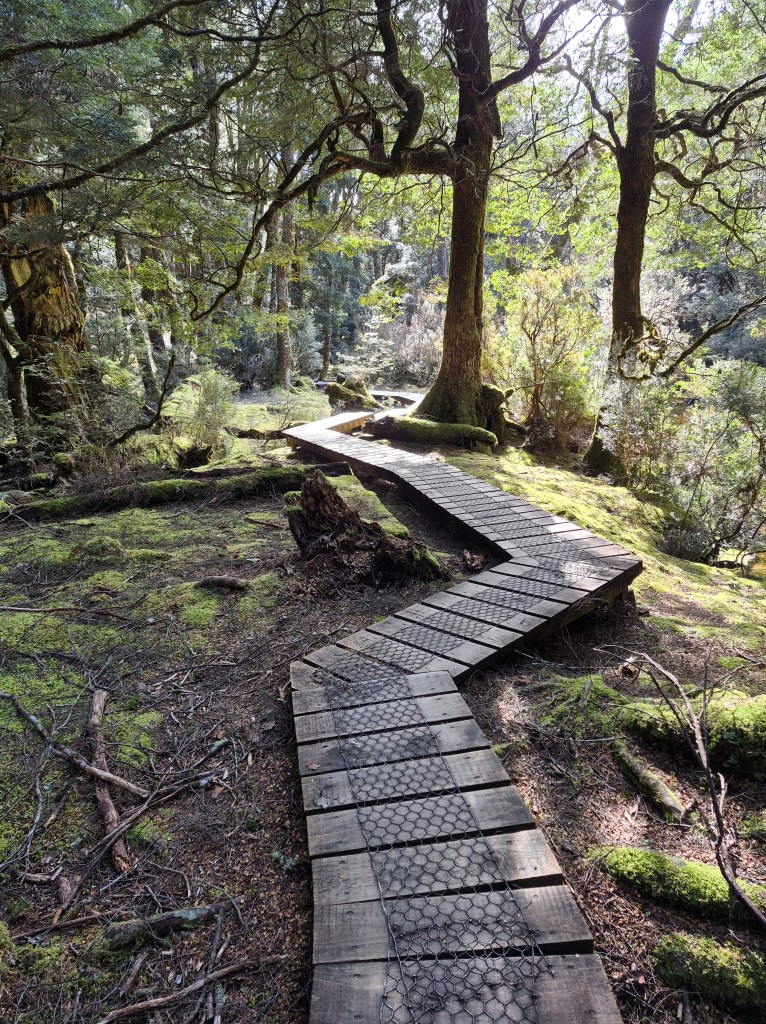
Day 1, we stayed close to home with the King Billy Track (2km) – a peaceful forest walk weaving through ancient King Billy pines, some descendants of species that date back millions of years. It’s easy, shaded, and a lovely way to settle in.
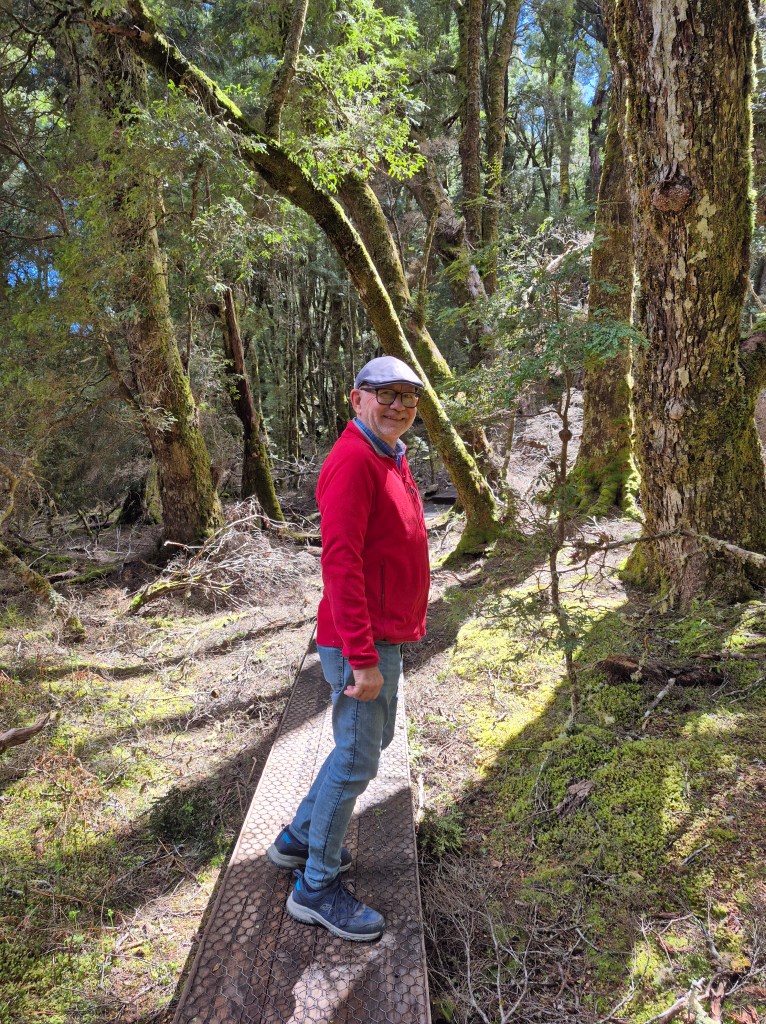
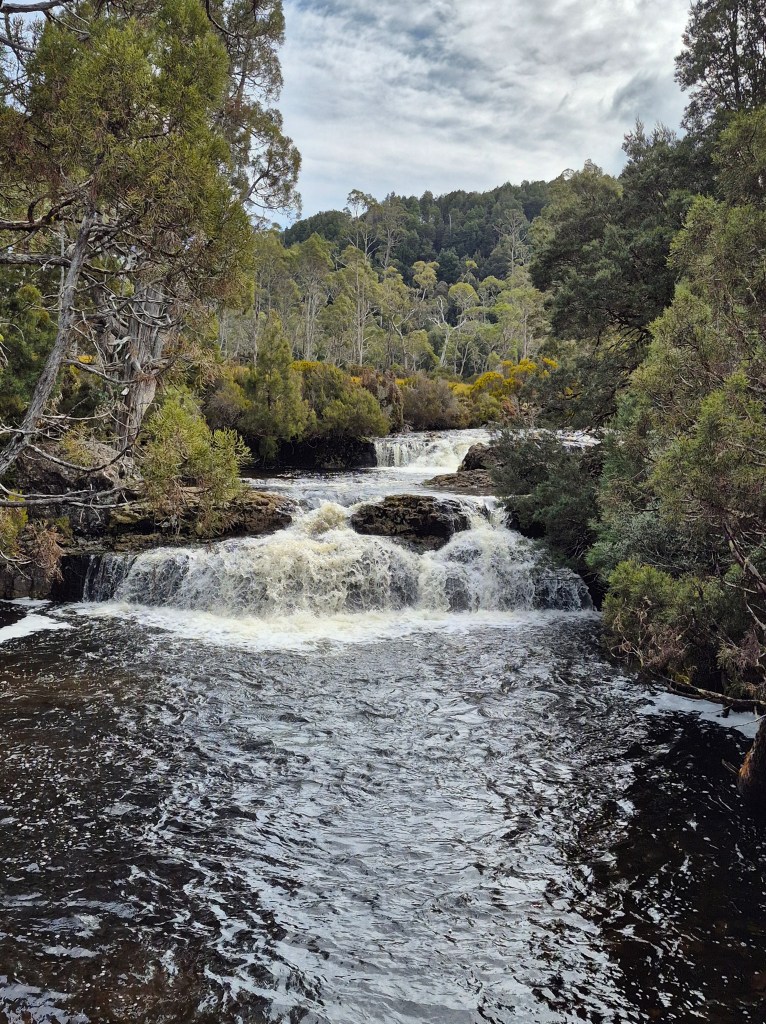
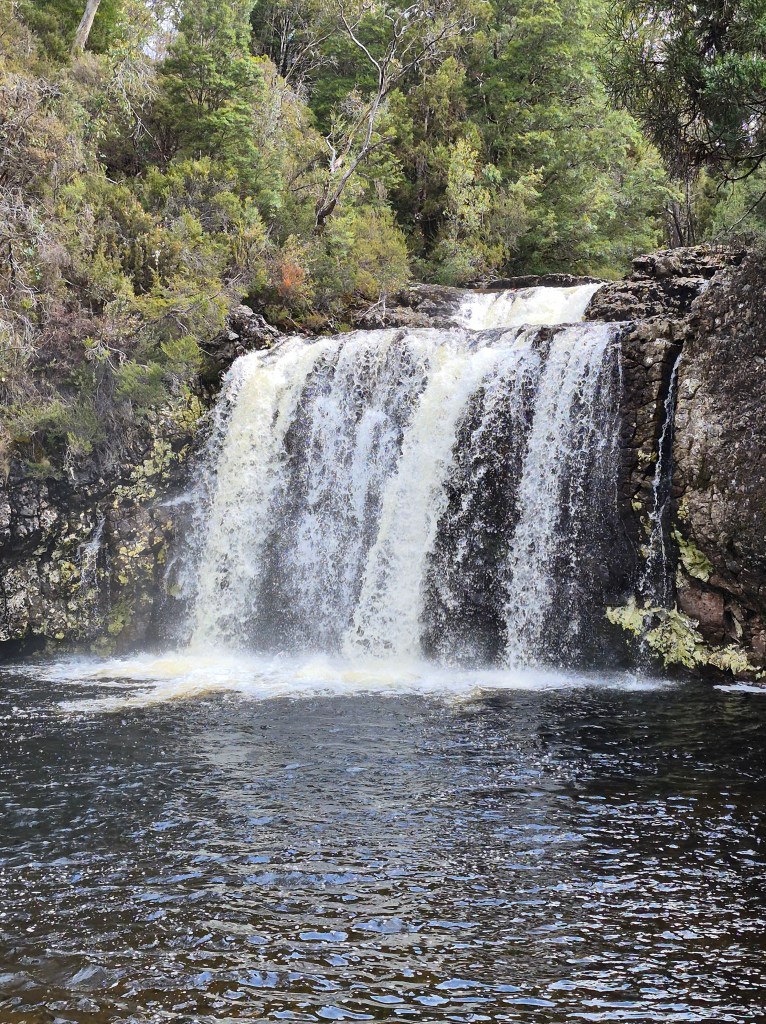
The Waterfalls Walk (1.5km) is short but rewarding, linking a series of small cascades tumbling through mossy rainforest. These tracks are well made and manageable, suitable for most fitness levels if you take your time – there are some stairs.
Day 1 – Tavern Bar & Bistro
The lodge is the only option for meals unless you want to go for a drive, so the lodge it was, the first night sitting in the Tavern Bar & Bistro serving up hearty bistro style meals for lunch and dinner. How good does this pizza look! Thoroughly delicious, with chili not too hot and balanced with a healthy salad (because you can’t take the naturopath out of the equation). We even had leftovers for lunch the next day.

The next day, we set off early for the bigger, more challenging walk.
We caught the shuttle bus into the park and began at the start of the Overland Track, Australia’s most famous multi-day hike. We weren’t committing to six days as we weren’t prepared, just a taste.
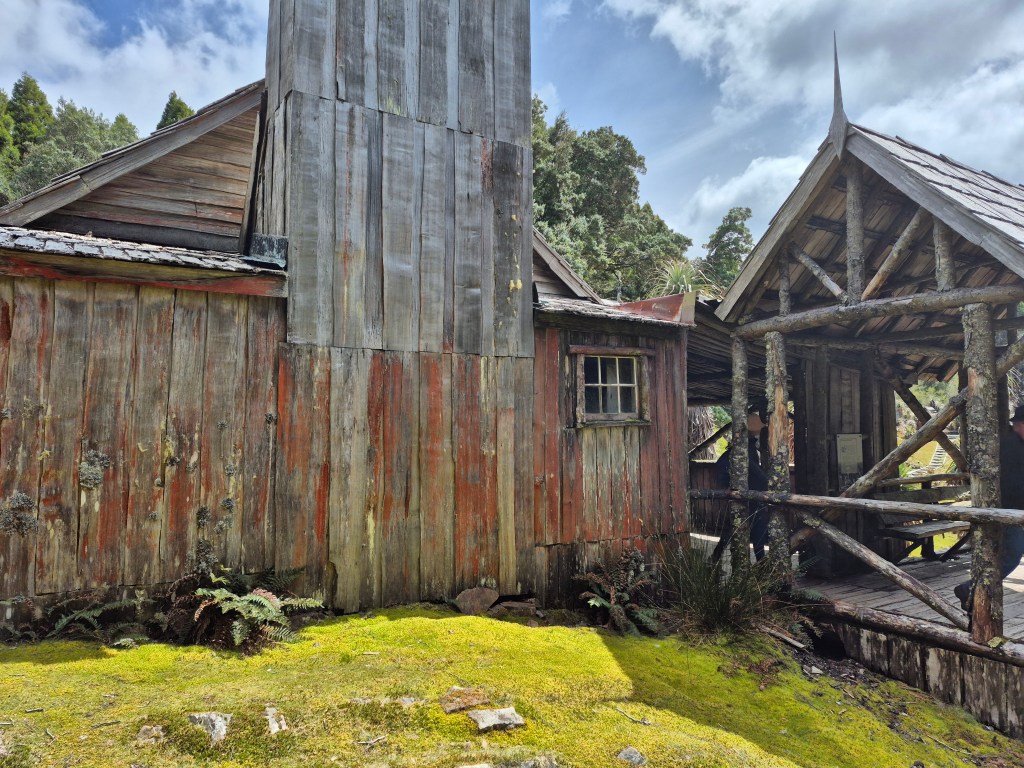
From there, we walked up to Waldheim Hut, Gustav Weindorfer’s original mountain chalet, which adds a tangible sense of history to the landscape.
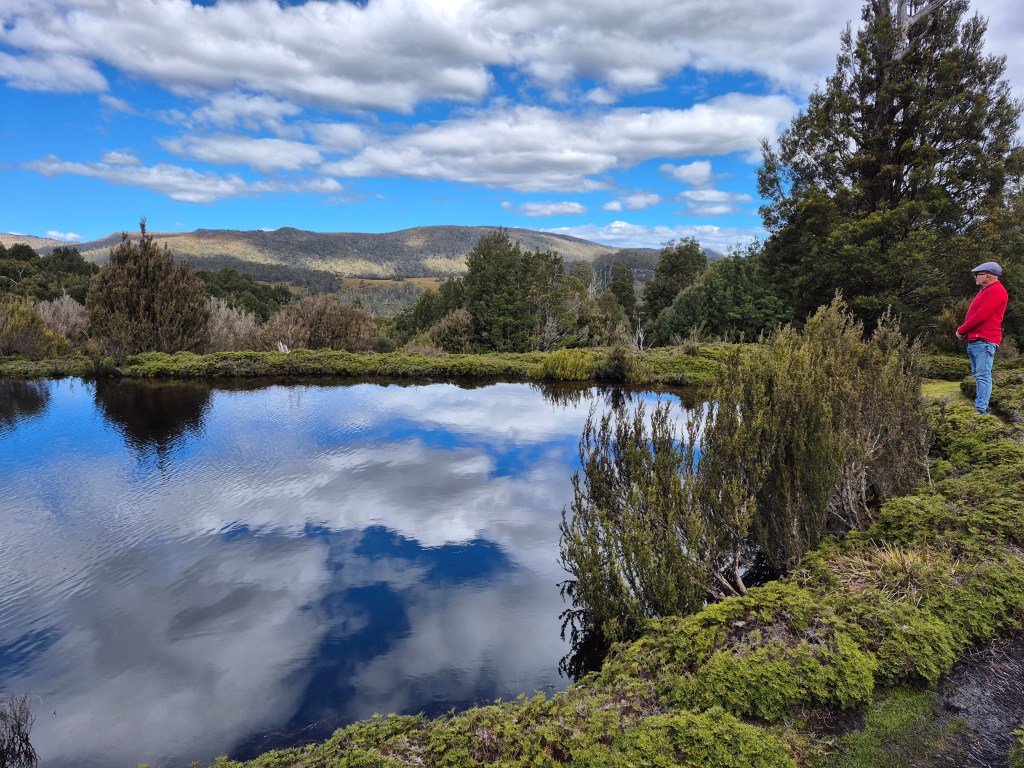
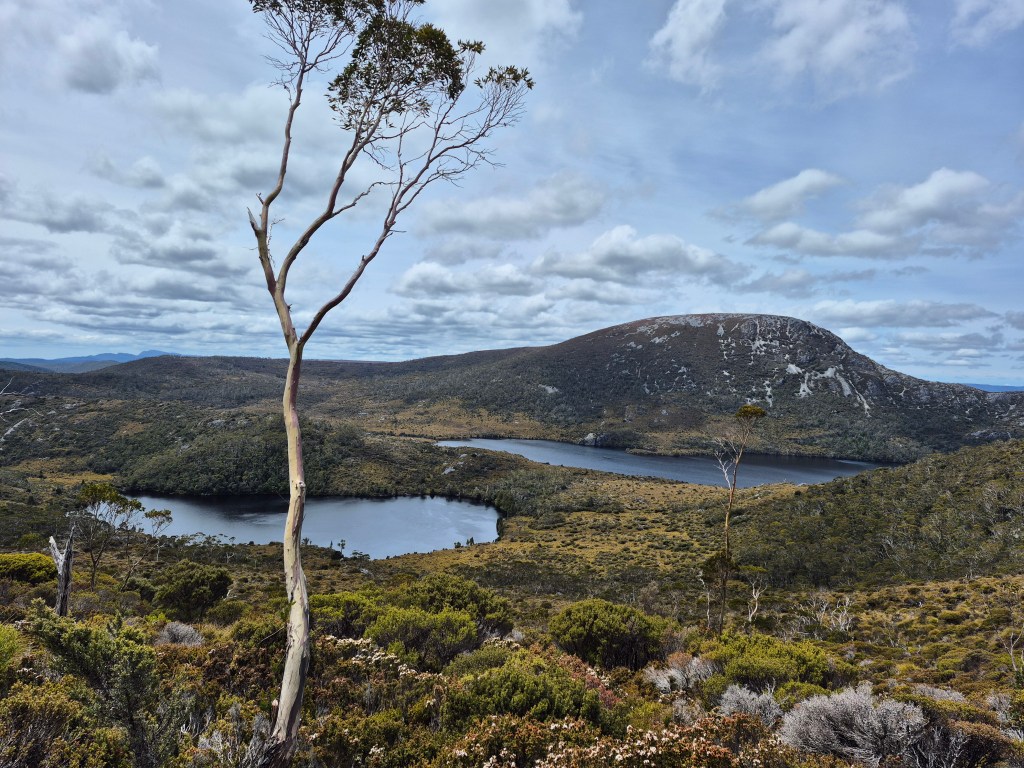
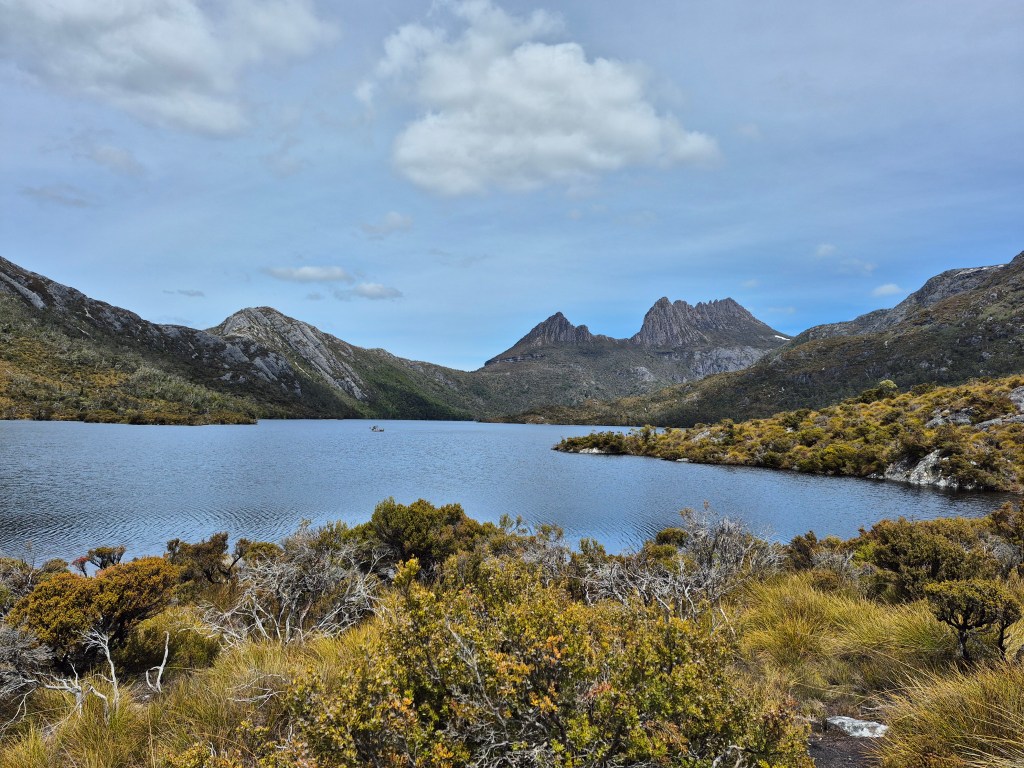
Continuing on to Crater Lake, the track climbs steadily, revealing that classic Cradle Mountain scenery of glacial lakes, rugged peaks, and alpine heath. The air feels thinner, cleaner, sharper somehow. It was warm with clear skies – we were glad we had our hats.
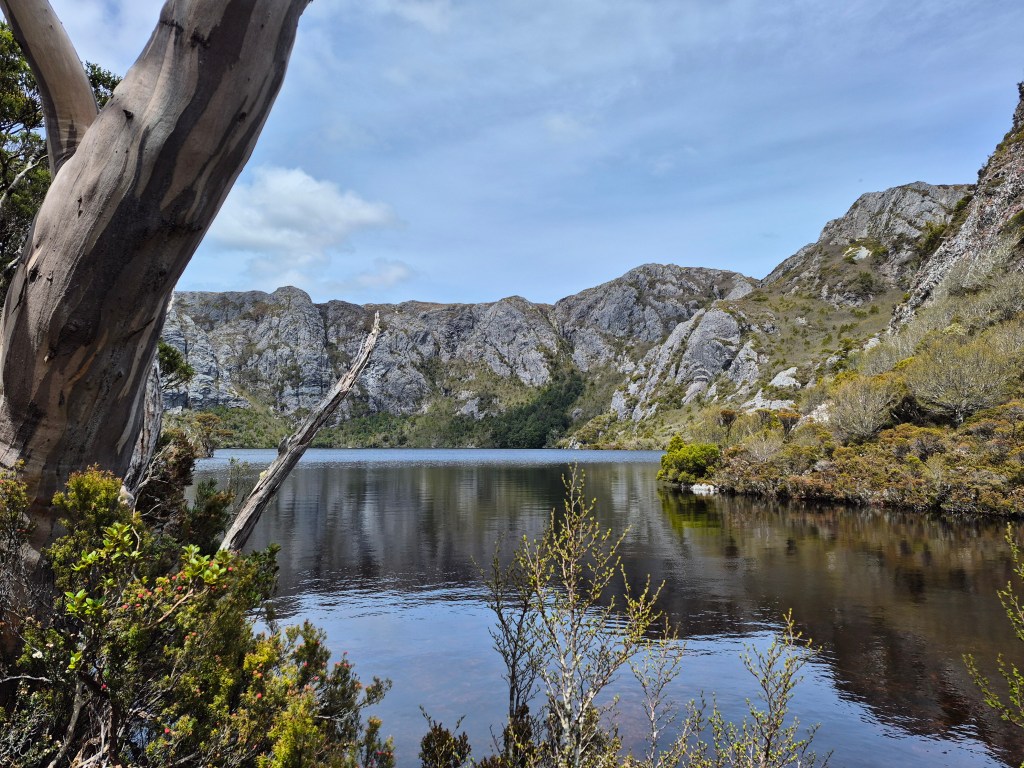
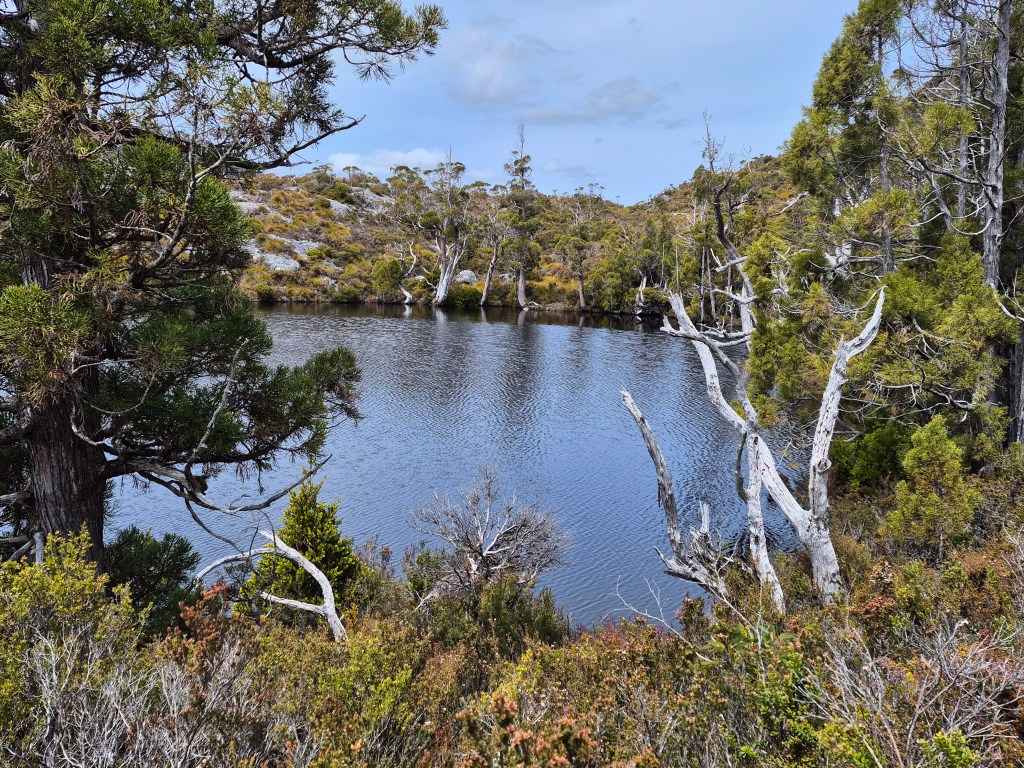
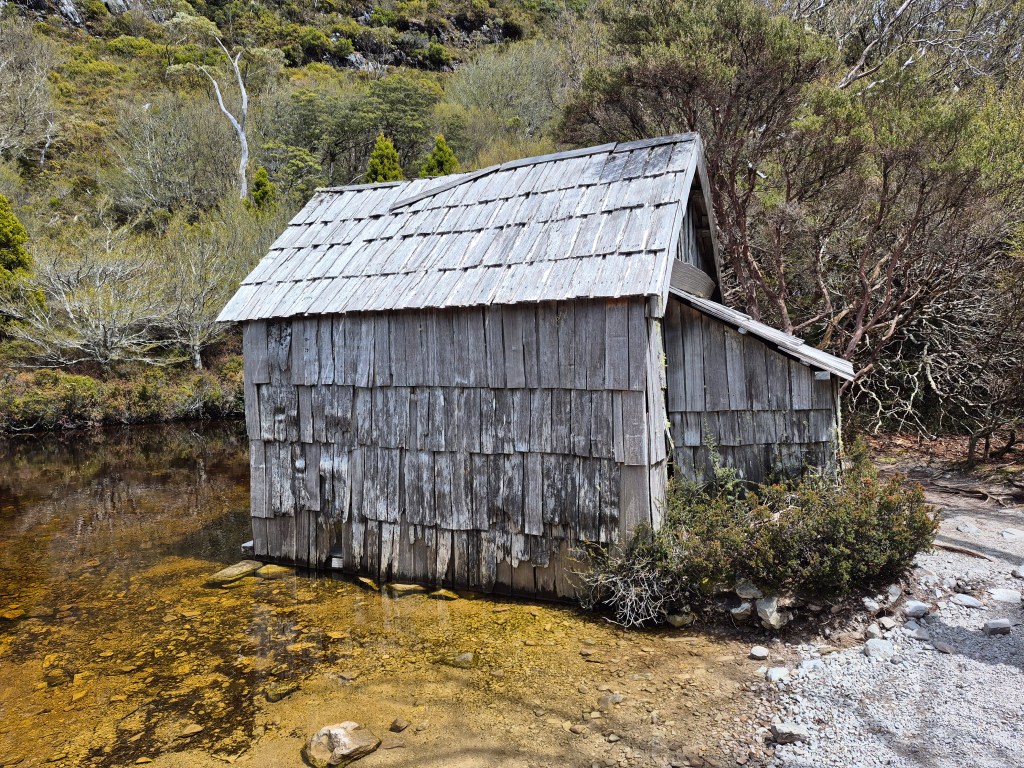
From there we continued towards Dove Lake, eventually finishing at the Dove Lake carpark before catching the shuttle back to Peppers. In total, about 3.5 hours — enough to feel it in the legs, but achievable with reasonable fitness and a steady pace. Some sections are rocky and uneven, and there’s consistent incline, but the paths are well maintained with plenty of scenic places to rest. It’s the kind of walk that challenges you just enough.
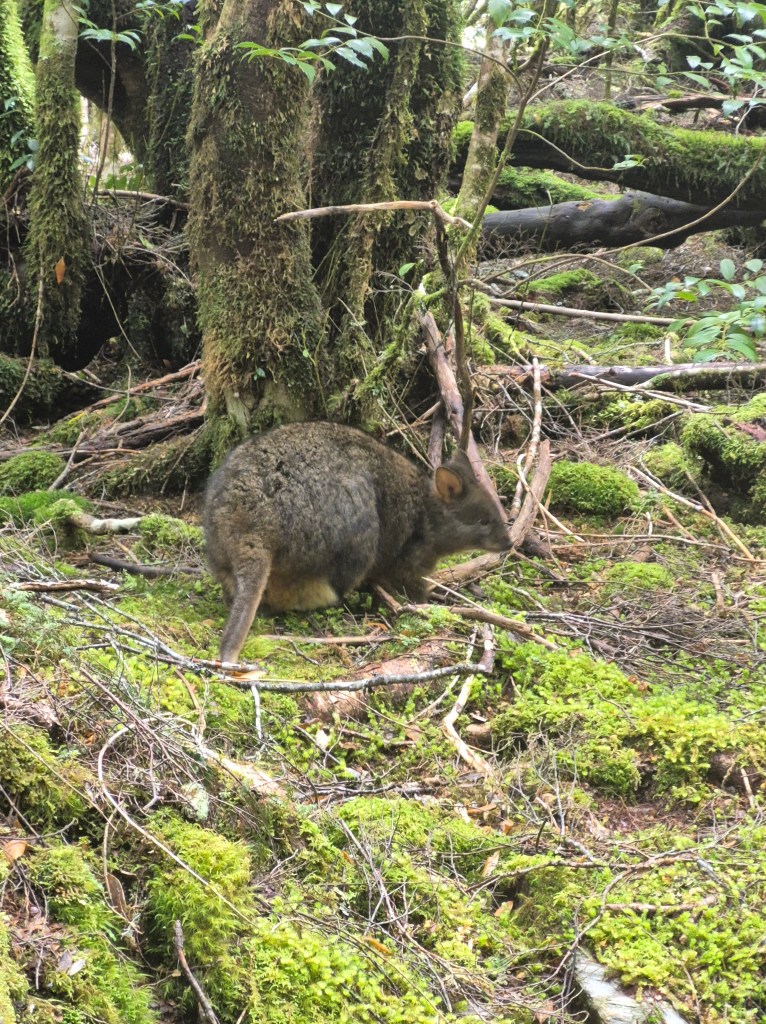
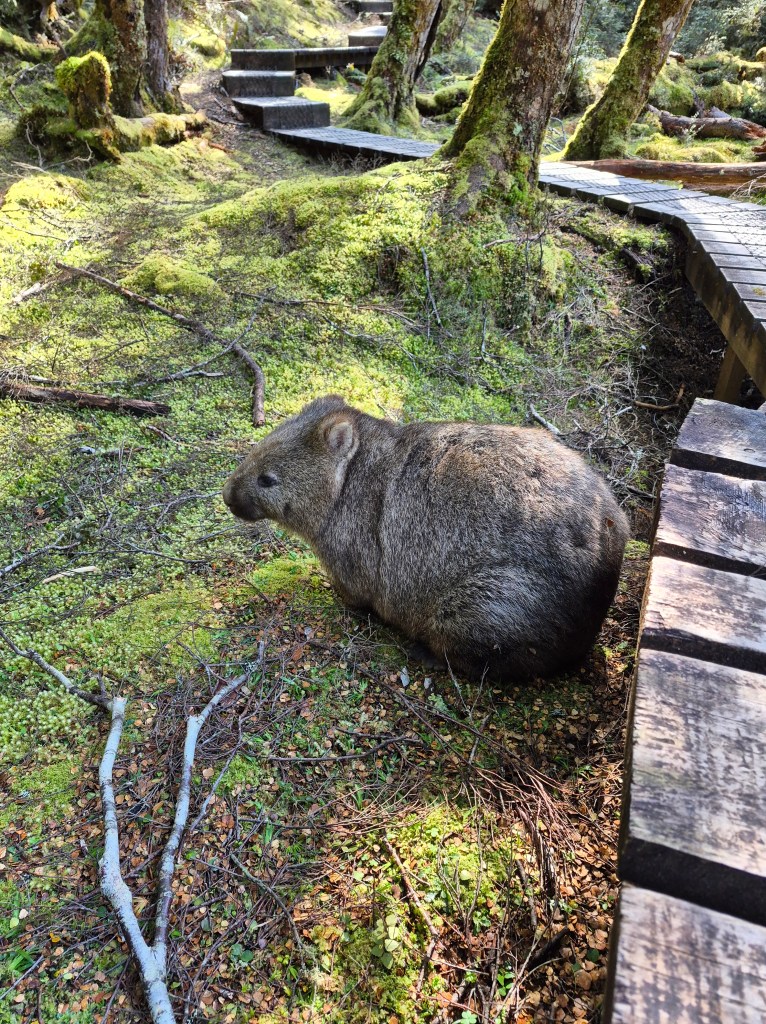
Wildlife is part of the magic here. Wombats graze surprisingly close to the tracks, often completely unfazed by passing walkers. Pademelons dart through the undergrowth, echidnas shuffle along if you’re lucky, and birdlife is constant. At dusk around the lodge, the animal activity increases, which adds to the atmosphere.
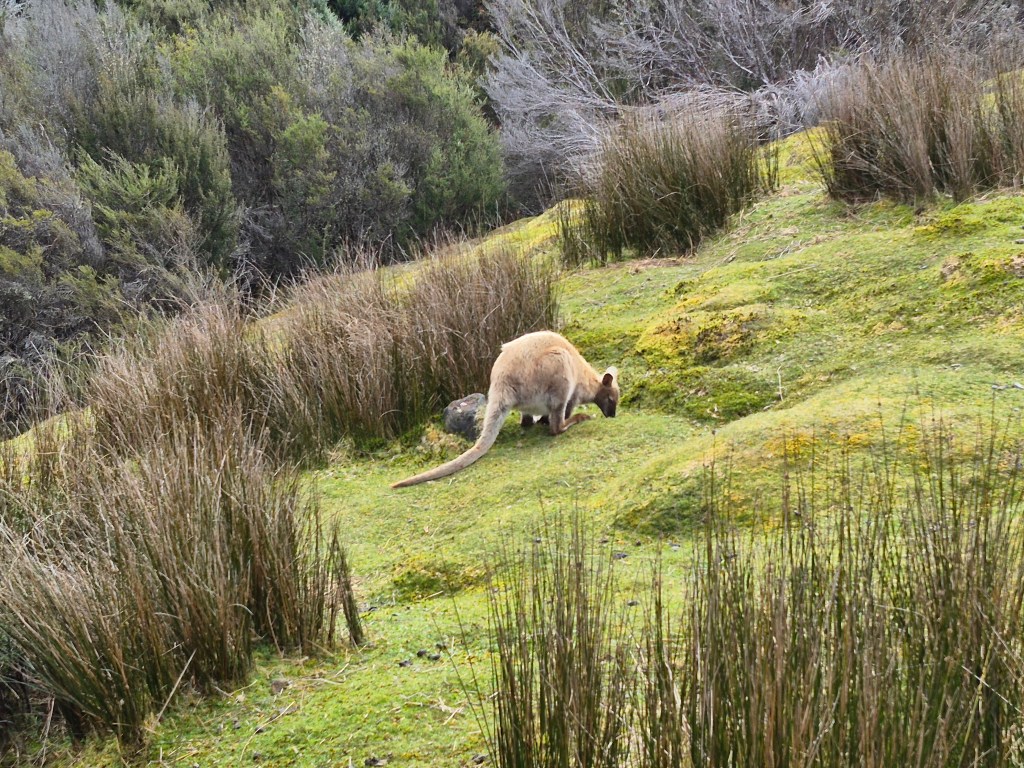
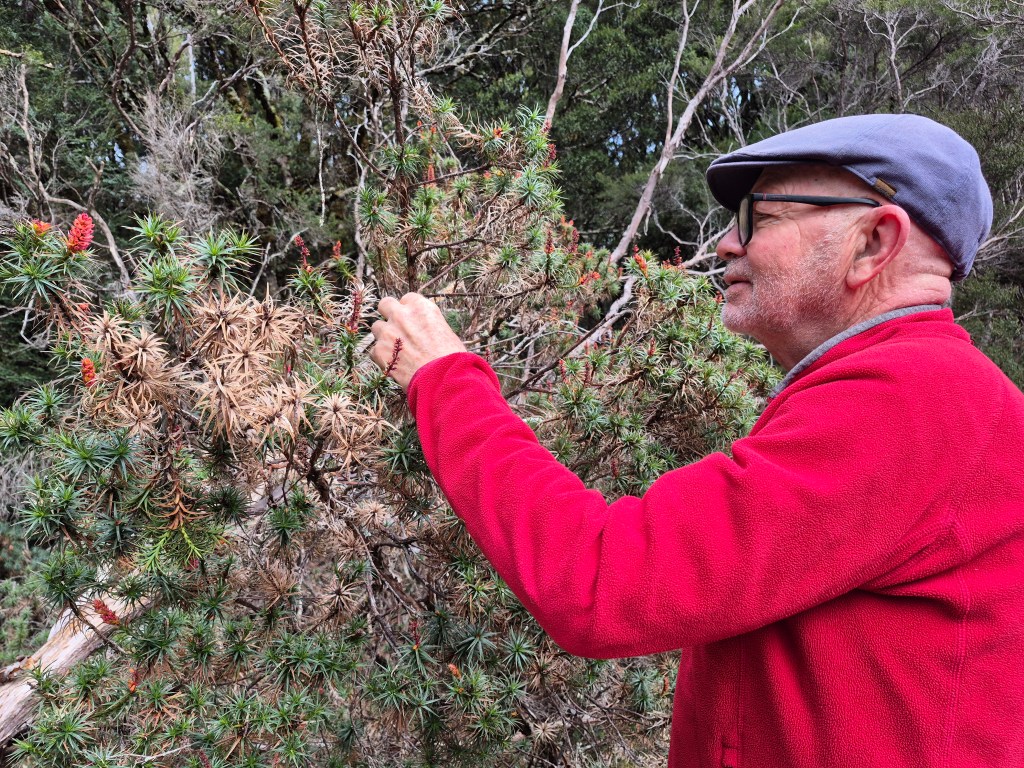
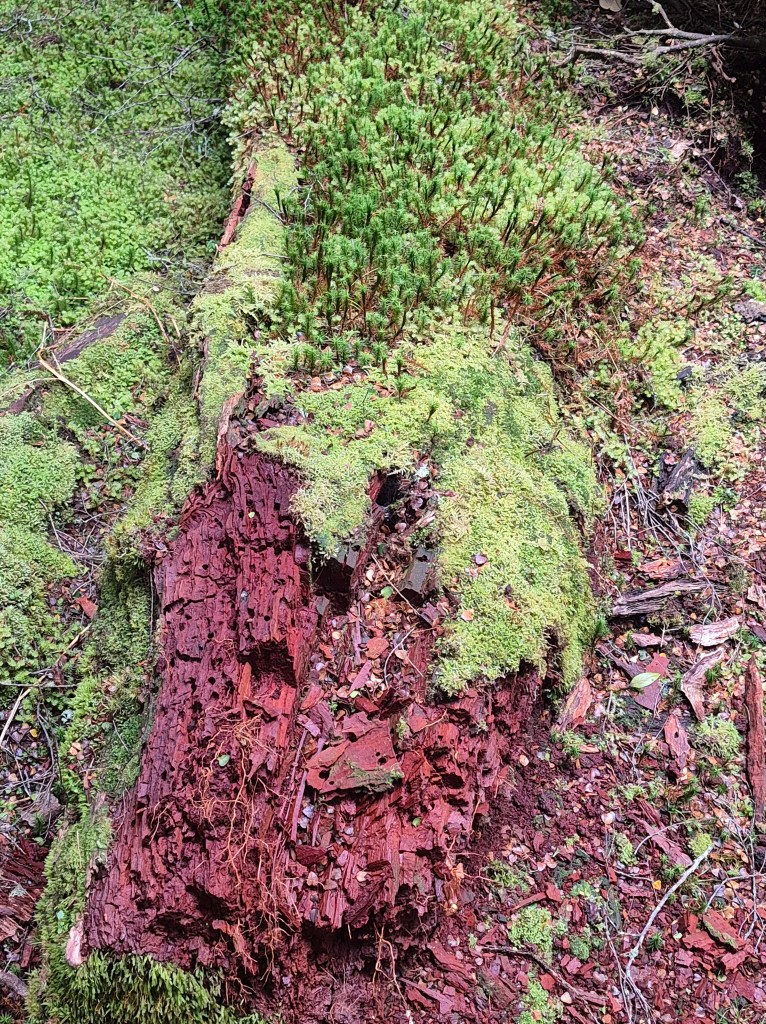
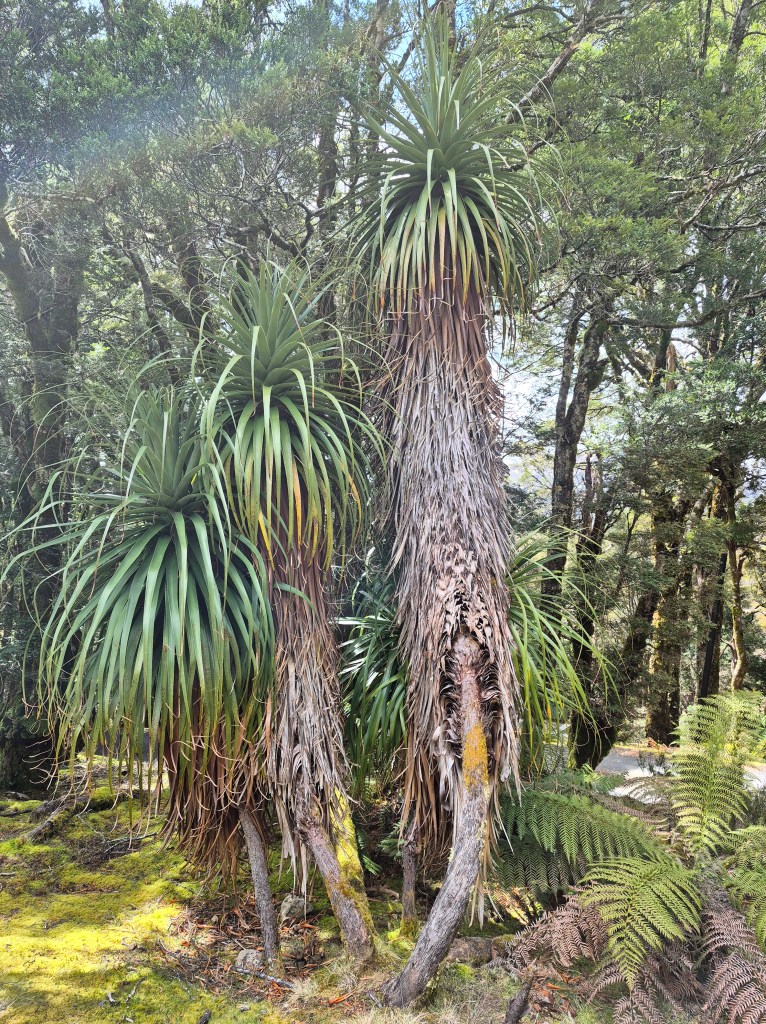
What we noted was the surprising change in flora. Towering eucalypts give way to alpine shrubs, cushion plants and hardy species adapted to cold, wind and snow. In the right season, wildflowers add delicate colour along with moss and lichen.
Day 2 – Highland Restaurant
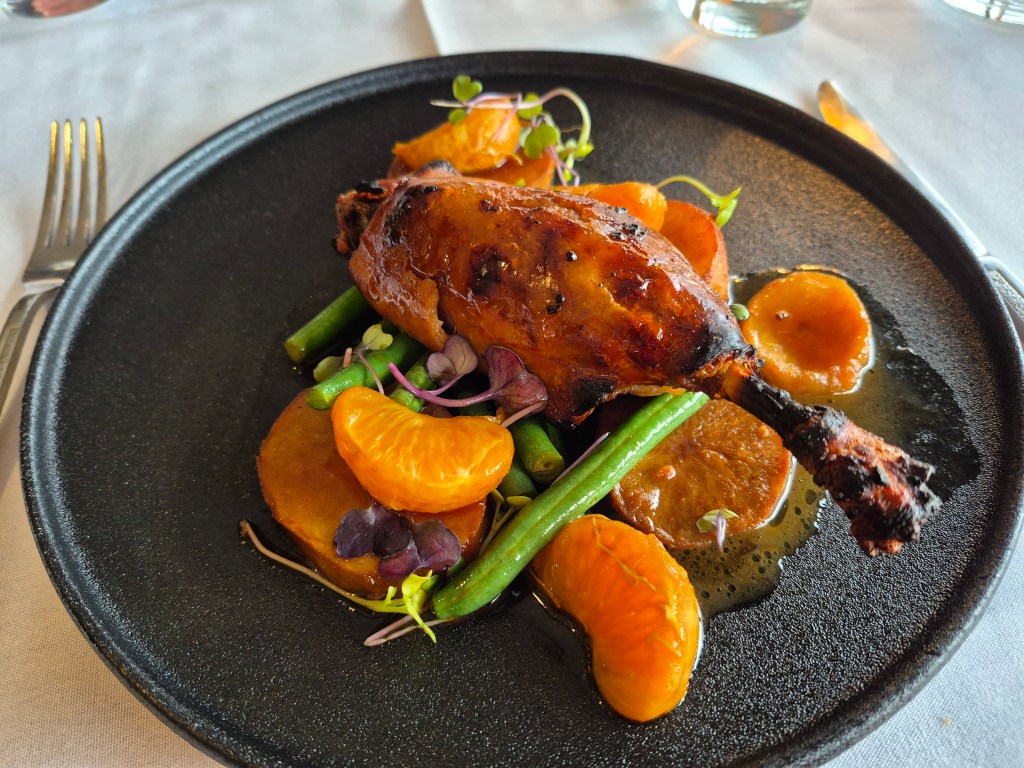
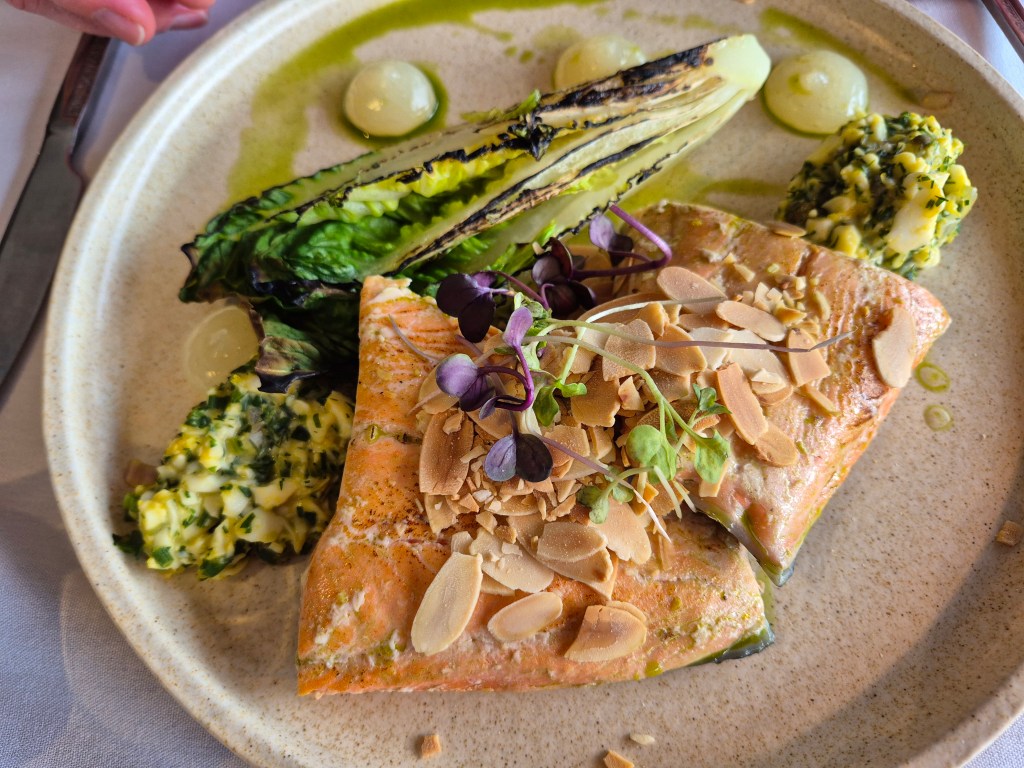
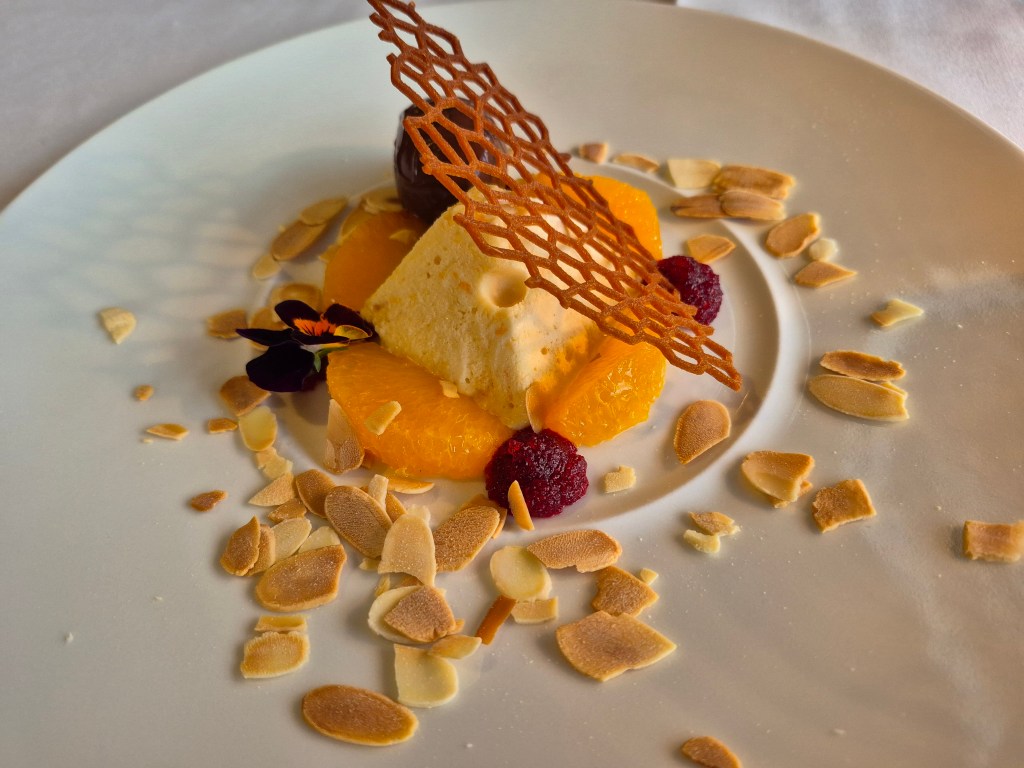
After a big day walking, we were ready for dinner at the fine dining Highland Restaurant, a little fancier than the Tavern Bar & Bistro. Duck leg and local trout were our choices here, plus after our long walk, we felt a shared dessert was in order – so glad we did!
Cradle Mountain isn’t just pretty. It’s dramatic, rugged, unspoiled and alive. Whether you’re doing a short 1.5km waterfall stroll or undertaking the challenging Overland Track, you feel part of something much bigger than a simple walk earning a sense of achievement at the end of each day.
We are already talking about a return visit, this time better equipped for even more challenging hikes.
Next stop – The Big Nut, Stanley.
Catherine & Jeff
 Food and Adventures Along the Way